


Taiwan Liposome Company, Ltd. (TLC) products
Pipeline - Pain Management
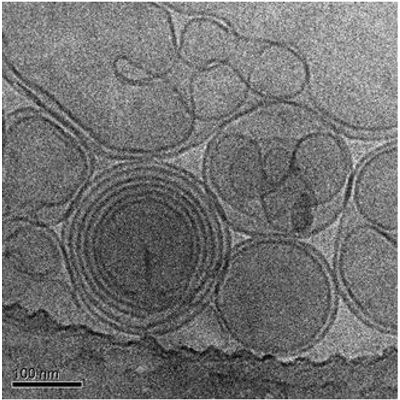
BioSeizer - Model TLC599 - Osteoarthritis Pain Management System
TLC599 is our proprietary BioSeizer® formulation of dexamethasone sodium phosphate (DSP) designed to provide sustained pain management for up to 24 weeks. TLC599 has the potential to enable patients to receive both immediate and sustained benefit from the local delivery of a highly potent and clinically validated steroid that typically has a very short half-life. Our clinical data suggests that we may be able to achieve a best-in-class duration of action for an intraarticular steroid.
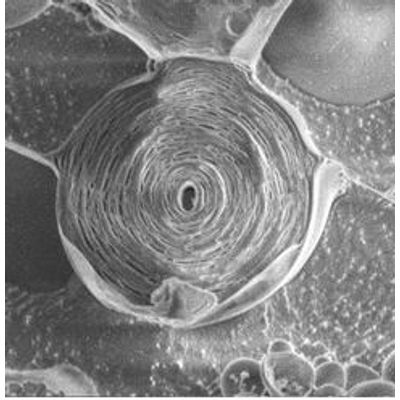
BioSeizer - Model TLC590 - Local Anesthetic for Post-Surgical Pain
TLC590 brings sustained release delivery technology to the common anesthetic ropivacaine, with the goal of reducing the frequency of administration for local anesthesia for post-surgical pain. More effective pain relief may also allow patients to avoid the problems of opioid therapies often used for the treatment of post-surgical pain.In a Phase I/II clinical trial in patients following hernia repair surgery, TLC590 demonstrated durable, statistically significant and clinically meaningful improvement over the standard of care through 96 hours. 58.3% of patients who received TLC590 did not use any rescue opioids at all through the duration of the study; among those who did use rescue opioids, time to first postsurgical opioid use was about four times that of the ropivacaine group (standard of care), and mean total opioid consumption was 54% less through 96 hours post-surgery.
Pipeline - Ophthalmology
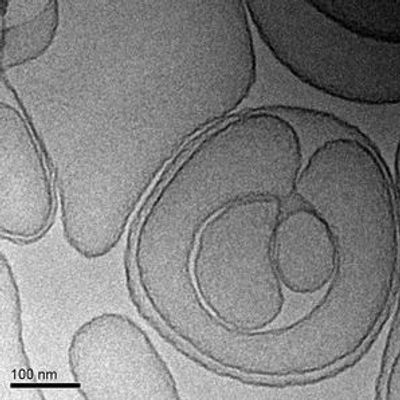
BioSeizer - Model TLC399 - Macular Edema
TLC399 is our proprietary BioSeizer formulation of dexamethasone sodium phosphate (DSP), intended as an intravitreal, or in-eye, injection for the treatment of macular edema due to retinal vein occlusion. TLC399 in preclinical models has been shown to provide therapeutic levels of DSP in the eye for at least six months after a single administration. A Phase I/II safety trial has demonstrated encouraging signs of efficacy in both the reduction of retinal central subfield thickness and improvements in visual acuity. A larger randomized, double-blind, dose finding Phase II trial is underway. We are also evaluating opportunities to develop TLC399 in diabetic macular edema in combination with intravitreal anti-VEGF drugs.
Pipeline - Oncology
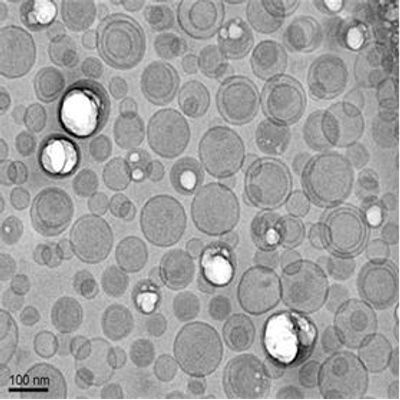
NanoX - Model TLC178 - Anticancer Drug Vinorelbine
TLC178 is our proprietary NanoX™ formulation of the anticancer drug vinorelbine, developed for the treatment of rhabdomyosarcoma (RMS), a rare form of soft tissue sarcoma that most frequently occurs in children.
Pipeline - Infectious Diseases
Ampholipad - Systemic Fungal Infections Drug
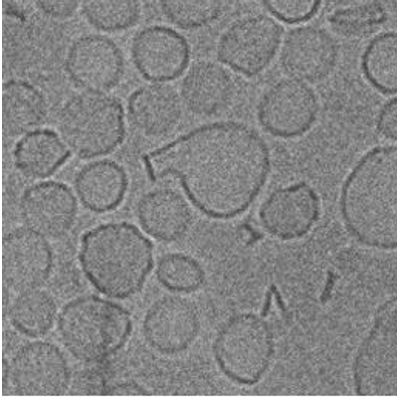
Ampholipad is a generic of AmBisome, a lipid-encapsulated version of the antifungal drug amphotericin B. Ampholipad successfully demonstrated bioequivalence to AmBisome in all three forms and in both large and small batches, making it the first and only drug to have achieved such a feat. Scaled-up production of Ampholipad™ can surpass a million vials each year, at a capacity capable of meeting increasing global demands.
Liposome - Model ISPM19 - Coronavirus Disease Drug 2019 (COVID-19)
Studies by X. Yao et al and S. Perinel et al suggest that HCQ can prevent the acidification of intracellular organelles, inhibit lysosomal release of viral genome and interfere with the glycosylation of the angiotensin-converting enzyme-2 (ACE2) receptor on the host cell, reducing the binding efficiency between the receptor and spike protein on the surface of the coronavirus and thereby reducing the chances of COVID-19 infection and replication.
Technology
BioSeizer - Model LipAD - Proprietary Lipid-Assembled Drug Delivery Platforms Technology
TLC is committed to creating solutions for longstanding challenges in drug development by enabling new therapies with entirely unique properties. TLC has proprietary solution for pharmaceutical product development called LipAD®. LipAD® allows the design of medicines at the nanometer scale, improving drug solubility, protecting molecules from degradation, or targeting drug delivery to specific tissues and compartments within a cell, creating drugs that are longer lasting with increased efficacy, and enabling new mechanisms that would otherwise be impractical. These lipid-based technologies enable straightforward development of new formulations of well-known drugs by improving upon their clinical characteristics.
Liposome - Model NanoX - Targeted Delivery Technology
TLC has a proprietary solution for pharmaceutical product development called NanoX®. NanoX® technology uses nanoparticles coated with the compound polyethylene glycol to reduce uptake by phagocytic cells of the immune system. This prolongs circulation in the body, allowing a drug to predominantly accumulate at particular disease sites such as tumors. Therapies based on NanoX® technology can also make use of additional molecular coatings to help nanoparticles to accumulate at cells of a specific type, such as tumor cells.
Liposome - Linked Nanomedicines Antibody
TLC is using antibodies and antibody fragments attached to lipid encapsulated drugs to develop more effective therapies in oncology. These antibody-linked nanomedicines actively target specific tissues using binding interactions between a specific antibody and a target antigen on the surface of a particular cell type. Compared with passively targeted therapies, these nanomedicines are better able to reach tissues farther from blood vessels and improve the biodistribution of the therapeutic payload.
Liposome - Polymeric Micelle Technology
By encapsulating molecules with poor solubility in polymeric micelle nanoparticles, TLC’s technology can increase the solubility of a drug. This allows a larger quantity to be delivered in a single dose, which can enable new forms of administration. For molecules that are too insoluble to be practical as stand-alone therapies, lipid encapsulation may be the key to generating an entirely new type of therapy. By incorporating careful attention to delivery characteristics from the earliest stages of drug design, TLC can expand possibilities for molecules that could lead to an effective therapy. TLC388, currently in development for indications within oncology, is an example of a highly promising therapy uniquely enabled by the benefits of polymeric micelle delivery.