
- Home
- Applications
- canada
- cancer precision diagnostics
Show results for
Refine by
Cancer Precision Diagnostics Product Applications In Canada
4 applications found

Medical isotopes are used in the medical industry to diagnose and treat cancer, heart disease, and other medical conditions. There are more than 40 million medical procedures worldwide that use medical isotopes, and every 1 in 50 people undergo a nuclear diagnostic procedure annually in developing countries. Canada is one of the largest medical isotope producers in the world. Canada’s Nuclear Isotope Program and the U.S. Department of Energy’s Isotope Program (DOE IP) pioneer research and development ...
ByARC Clean Technology, Inc. based in Saint John, NEW BRUNSWICK (CANADA)
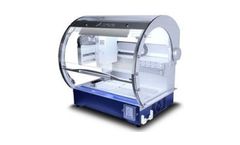
Tumor markers found in blood, urine and body tissues can be used in diagnosing and treating cancer. Each tumor marker is indicative of a particular disease and thus can be used for the screening, monitoring and diagnosis of specific tumor types. In addition to being used in prognosis, these molecular markers help to predict the response, resistance and toxicity to therapy. For example, BCR-ABL gene sequence detection is used to diagnose chronic myelogenous leukemia and acute lymphatic ...
ByAurora Biomed Inc. based in Vancouver, BRITISH COLUMBIA (CANADA)
The prostate is a gland in the male reproductive system. About the size of a ping-pong ball, it is located just below the bladder and in front of the rectum. The gland surrounds the urethra, the tube that carries urine and semen through the penis. It contains several small glands, whose main purpose is to produce the milky white part of semen. This super fluid acts as a vehicle protecting your sperm during the big ...
ByFocal Healthcare based in Toronto, ONTARIO (CANADA)
Standard Biopsy Limitations Traditionally, men suspected of prostate cancer undergo systematic biopsies guided by ultrasound imaging. Because ultrasound offers poor cancer visualization, 12 random samples are taken without knowing if there is cancer and if so, where it is. As a result, the cancer is either missed entirely, or if detected, is difficult to determine the extent and severity. This leads to under treatment of men with serious disease and overtreatment of men with indolent disease.4 ...
ByFocal Healthcare based in Toronto, ONTARIO (CANADA)