
- Home
- Articles
- azerbaijan
- source water
Source Water Articles & Analysis
18 articles found

Biomedical liquid waste originating from healthcare facilities, laboratories, and research centers often contains infectious materials that, when discharged without proper treatment, can contribute to the spread of communicable diseases through public sewers. These diseases can affect individuals coming into contact with contaminated water sources ...

Antibiotic resistance is one of the main challenges in public health in the 21st century. It is mostly due to prolonged and/or inadequate use of antibiotics. These, along with antibiotic resistant bacteria, get into municipal and hospital wastewaters, and may be spread into water sources by inefficient disinfection. Antimicrobial photodynamic treatment (aPDT) may be an alternative to tackle ...

Effective hand hygiene reduces the risk of meat contamination and the transmission of foodborne disease Clean hands are essential to health and effective handwashing is one of the simplest ways to prevent the spread of germs. Hand hygiene is particularly important in minimizing food safety risks along food animal chains, as there are many diseases that can be transmitted to humans from polluted ...
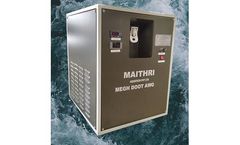
To provide access to clean, microbe-free, mineral-enriched potable water to children (patients), doctors and researcher in a water-scarce location, and eliminate dependence on canned water with questionable water ...

Has your building shut down or reduced operations due to COVID-19? If so, you may be putting your employees or building occupants in danger, especially if your water system has been stagnant, or has had low flow during the shutdown. With the recent outbreak of COVID-19, businesses such as hotels, office towers, manufacturing plants, and educational establishments, have been encouraged (or ...
There is an increasing awareness that drinking water contributes to sporadic gastrointestinal illness (GI) in high income countries of the northern hemisphere. A literature search was conducted in order to review: (1) methods used for investigating the effects of public drinking water on GI; (2) evidence of possible dose–response relationship between sporadic GI and drinking water ...
The purpose of this study was to investigate the susceptibility of waterborne strains of Legionella to eight antimicrobials commonly used in legionellosis therapy. The minimum inhibitory concentrations (MICs) of 66 environmental Legionella strains, isolated from fountains and cooling towers of public facilities (hotels, schools, and shopping malls) in Macau and Guangzhou, were tested using ...

No – the small, portable Prestige Medical Autoclave 2100 does not need to be plumbed in to a fixed water supply, but should be filled with deionised water. The unit simply needs filling with distilled or deionised water up to the marker in the chamber. NB tap water should not be used – if you don’t have a regular source of distilled water or only need small, infrequent amounts ...
Previously, our earlier work demonstrated the use of structural equation modeling to evaluate the effectiveness of point-of-use biosand filters (BSF) to reduce the occurrence of diarrhea in rural Guatemala. While prior research in laboratory and field locations has documented the effectiveness of BSF to remove agents of diarrhea, experience in field sites suggests that multiple local factors ...

Arsenic, a natural element of ecological relevance, is found in natural water sources throughout Argentina in concentrations between 0.01 and 15 mg/L. The autochthonous toad Rhinella arenarum was selected to study the acute toxicity of As and the biochemical responses elicited by the exposure to As in water during its embryonic development. The LC50 value averaged 24.3 mg/L As and remained ...
Acute gastro-intestinal illness (AGI) is a major cause of mortality and morbidity worldwide and an important public health problem. Despite the fact that AGI is currently responsible for a huge burden of disease throughout the world, important knowledge gaps exist in terms of its epidemiology. Specifically, an understanding of seasonality and those factors driving seasonal variation remain ...
Hepatitis A virus (HAV) strains found in selected South African (SA) surface waters were characterised to establish what HAV types are circulating in the environment, thus reflecting circulation in the surrounding communities. Surface water samples used for irrigation or domestic purposes, and water samples from the outflow of wastewater plants were collected from six provinces. Viruses were ...

Challenge Pharmaceuticol manufacturers demand high qualify water with the fewest dissolved solids possible, to promote product consistency. A Canadian manufacturer of pharmaceutical/personal core products was looking to maintain water quality specifications to promote product consistency and improve product shelf life. First the source water for the manufacturing plont comes from a municipal ...
ByGrundfos
An estimated 1.1 billion persons worldwide lack access to an improved water source. Hundreds of millions more drink contaminated water from improved sources because of unsafe water treatment and distribution systems and unsafe water storage and handling practices. The health consequences of inadequate water and ...
Hepatitis E virus (HEV) is a common cause of water-borne acute hepatitis in areas with poor sanitation. In 2004 an outbreak of HEV infection affected around 2,000 people in Eastern Chad (Dar Sila). This paper describes the decrease in the incidence of acute jaundice syndrome (AJS) from 2004 until 2009 when a mean incidence of 0.48 cases/1,000 people/year was recorded in the region. Outbreaks of ...
Yersinia enterocolitica has been detected in surface water, and drinking untreated water is a risk factor for infection. PCR-based methods have been used to detect Y. enterocolitica in various sample types, but quantitative studies have not been conducted in water. In this study, quantitative PCR (qPCR)-based methods targeting the Yersinia virulence genes ail and yadA were used to survey the ...
The purpose of this study was to investigate the occurrence of antibiotic resistance genes (ARGs) in water used for irrigation in the Werribee River Basin, Australia, including river water and reclaimed effluent water (reclaimed water). Samples of reclaimed water, collected over a one-year period, were screened for the occurrence of ARGs using PCR detection assays. The presence of ARGs in the ...

High levels of fluoride (beyond 1.5 ppm) in ground water as source of drinking water are common in many parts of Andhra Pradesh, India, causing fluorosis. The study carried out in endemic Nalgonda District, Andhra Pradesh, has indicated that the fluoride-rich ground water present in the wells located down stream and close to the surface water bodies is getting diluted by the low-fluoride surface ...