
- Home
- Articles
- latamerica
- biologic therapeutic
Refine by
Biologic Therapeutic Articles & Analysis
19 articles found

Rare diseases collectively affect hundreds of millions of people worldwide, yet many individual conditions remain difficult to diagnose and treat due to their low prevalence and complex biological mechanisms. In recent decades, therapeutic enzymes have emerged as an important class of biologic drugs that address the underlying causes of several ...
While upstream cell culture or fermentation focuses on producing the target biomolecule, downstream steps transform crude harvests into highly purified and stable therapeutic products. For biologics such as monoclonal antibodies, recombinant proteins, and viral vectors, downstream processing can account for the majority of production costs, making process ...

The versatility of CHO cells extends to their capacity to express complex proteins, including glycoproteins, which are often crucial for the biological activity of therapeutic agents. This ability is vital because many therapeutic proteins require specific glycosylation patterns to be effective and to avoid immune recognition. ...

Active Pharmaceutical Ingredients (APIs) form the foundation of modern pharmaceuticals, serving as the biologically active components responsible for the therapeutic effects of medications. ...

Introduction Good Manufacturing Practice (GMP) cell banks play a crucial role in the biopharmaceutical industry, serving as foundational repositories of cell lines used for the production of therapeutic biological products. Characterization of these cell banks is essential to ensure the safety, efficacy, and consistency of the biopharmaceuticals derived from ...
Knockin cell line generation represents a pivotal advancement in genetic engineering, providing vital tools for biological research and therapeutic development. This process involves the integration of specific DNA sequences into precise loci within the genome, allowing scientists to explore gene function, model diseases, and develop new treatments. ...

One of the remarkable properties of cytokines is their multipotency; a single cytokine can act on multiple cell types, influencing various biological responses. Additionally, there is often overlap in the functions of different cytokines, meaning that two or more cytokines can produce similar biological effects. ...

Peptidomimetics are structural analogs of peptides or proteins that mimic their biological activities. They are designed to overcome limitations associated with peptides, such as poor stability and bioavailability by preserving or enhancing their functions. ...
Recombinant protein drugs are therapeutic protein drugs produced using DNA recombination technology or other biotechnologies. Compared to traditional low molecular synthetic drugs, they have the advantages of strong specificity, low toxicity, and significant therapeutic effects. However, as biological macromolecular drugs, recombinant protein ...
Immortalized cell lines are valuable tools in biological research and drug discovery, as they provide a continuous and stable cell population for experimental studies. The ability to immortalize cells that were previously resistant to traditional methods opens up new avenues for studying complex biological processes, disease mechanisms, and ...
Compared with other carrier materials, PLGA nanocarriers have the following advantages: It is polymerized by glycolic acid and lactic acid, and the synthesis process is relatively mature; The nanoparticle size is controllable, uniform in size and small in dispersion; It can achieve long-term sustained release of carrier drugs (several weeks or months), reduce the frequency of medication, and ...
Fc-Fusion Glycosylation and Its Biological Significance Glycosylation Therapeutic monoclonal antibodies (mAb) or mAb variant molecules such as Fc-Fusion have an N-linked glycan coherent sequence of (Asn)-X-Ser/Thr (where X is any amino acid except Pro) at the Asn297 position of the heavy chain of the constant CH2 domain, and some mAb also have additional ...
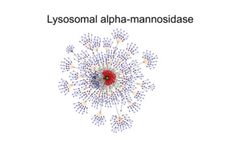
The interaction between HCPs and therapeutic proteins is first removed by anionic surfactants, so that HCPs can be enriched using a molecular weight cut-off (MWCO) ultrafiltration step, and then identified by a "shotgun" quantitative proteomics technique and analysis of HCP in therapeutic protein drugs. ...

Scientists continuously face pressure to purify biologics like protein therapeutics with maximum yield while minimizing cost and developing processes as quickly as possible. ...

During lead discovery, an intensive search ensues to find a drug-like small molecule or biological therapeutic, initially a hit that, through further validation and evolution, can become a development candidate that will progress into preclinical and, if successful, into clinical development and ultimately be a marketed medicine. ...
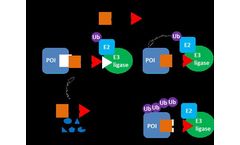
Different from traditional small molecule inhibitors and antagonists, protein degradation technology has developed rapidly in recent years because of its ability to induce the degradation of therapeutic target proteins, providing a new idea for the development of new drugs. ...

And parathyroid hormone for hypothyroidism, a condition where the body produces abnormally low levels of the hormone, which regulates and maintains a balance of calcium and phosphorus. Biologics are among the top-selling therapeutics on the market, making up eight of the top 10 selling drugs. All biologics are injected using either ...

In the future, new strategies based on nanofluidic chip technology to achieve exosome loading are expected to develop into a platform-type tool to load different exogenous substances with biological significance and clinical therapeutic effects into exosomes and get more applications in biological research and cell-free ...

Therefore, recombinant glycoprotein biologics intended for human therapeutic applications are usually manufactured in mammalian cell systems, which have protein glycosylation pathways that can provide terminal sialylation (Walsh, 2010). ...