
- Home
- Articles
- latamerica
- disease early
Refine by
Disease Early Articles & Analysis
51 articles found

This approach is especially beneficial for investigating diseases with immune dysregulation, such as cancer, autoimmune disorders, or infectious diseases, where multiple cytokines orchestrate pathological processes. ...

Metabolomics in Exosome Function and Disease Metabolomics of exosomes provides a snapshot of the metabolic landscape of the cell. ...

They are implicated in a wide range of conditions, from cardiovascular and metabolic disorders to neurological diseases and cancers. By facilitating the early stages of the drug development pipeline, GPCR Screening Services help streamline the identification of lead compounds, optimizing the chances of successful therapeutic outcomes. ...

Acetylation is a common post-translational modification of proteins, typically occurring on lysine residues of proteins, and plays a crucial role in regulating protein function, cell signaling, gene expression, and disease onset. For instance, the acetylation state of histones directly influences chromatin structure and the regulation of gene expression.Acetylation detection ...

Applications: Research: Mapping the architecture and alterations in the cytoskeleton in various diseases. Drug Discovery: Observing how pharmaceuticals affect cytoskeletal integrity. ...
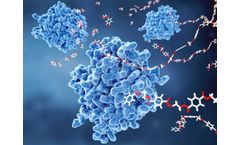
Beyond the kitchen, enzymes play a pivotal role in healthcare, enabling early disease detection and personalized treatments. Diagnostic enzymes empower healthcare professionals to pinpoint ailments accurately, while therapeutic enzymes serve as the architects of novel drugs, revolutionizing medical treatments. ...
By analyzing the changes of lipid biomarkers throughout the disease process and their interactions with other biomolecules, we can grasp the position of lipid metabolism disorders in the development of diseases as a whole and identify the possible pathogenesis. Identification of lipid indicators for disease diagnosis Lipidomics is used to ...

However, recent advancements in diagnostics technology hold promise for speeding up the field of rare disease therapies. Rare disease diagnosis can often be a complex and time-consuming process. ...

Applications of Stable Isotopes Stable isotope products have been widely used in biomedical fields such as disease research, diagnosis and drug efficacy evaluation and new drug development. PET Positron Emission Tomography (PET), as the most advanced nuclear medicine imaging technology, the raw material of its tracer agent is 18O water, which is injected into the human body for ...

Abstract Background: Rheumatoid arthritis (RA) is a systemic autoimmune disease characterized by chronic inflammation of synovial joints. Anticitrullinated protein autoantibodies are detected by the CCP test in early disease and predict the development of erosive disease as well as extraarticular manifestations. ...
One notable example of BAM-associated disease is Crohn's disease. Inflammatory bowel conditions like Crohn's can disrupt the intestinal mucosa, leading to reduced bile acid reabsorption. ...
How is nano-flow cytometry being used to improve early disease detection? Cancer detection: Nano-flow cytometry is being used by researchers to create new blood tests that can identify cancer cells in their earliest stages. ...
What are rare diseases? Rare diseases are a diverse group of disorders that affect a small percentage of the population, often occurring as a result of genetic mutations. ...

Precision-engineered enzymes enable the design of ultra-sensitive diagnostic assays that detect trace amounts of disease markers, revolutionizing early disease detection. Moreover, they serve as the guiding hand behind targeted drug delivery, augmenting treatment efficacy while minimizing collateral damage to healthy tissues. ...

Furthermore, MMP-3 is a reliable biomarker for assessing disease activity, imaging monitoring, predicting disease outcomes, and treatment response in rheumatoid arthritis [4]. ...

The findings could help develop new treatments for neurodegenerative diseases such as Alzheimer's and Parkinson's, and help understand how to keep the brain healthy as we age. ...
Enzymes for disease diagnosis can be divided into two categories: those that are produced by the body in response to disease and those that are specific to the disease itself. ...
These tests are highly sensitive and can detect even small amounts of enzymes, which can be indicative of a disease or condition. For example, elevated levels of the enzyme creatine kinase can indicate muscle damage, while increased levels of the enzyme alanine aminotransferase (ALT) can be indicative of liver disease. ...

With regard to ischaemic aetiology, HFmrEF more resembles HFrEF, but HFmrEF has a higher frequency of underlying coronary artery disease (CAD) and a better overall prognosis. Comorbidities While there are differences between the cellular and structural comorbidities of HFpEF and HFrEF, there are some similarities. ...
According to the 2022 AHA/ACC/HFSA Guideline for the Management of Heart Failure, the criteria for diagnosing HFpEF includes: a normal or near-normal left ventricular ejection fraction (LVEF ≥50%), evidence of cardiac dysfunction by echocardiography (e.g., abnormal left ventricular filling and elevated filling pressures), and elevated natriuretic peptides.[2] The sensitivity, however, varies ...