
- Home
- Articles
- latamerica
- immune development
Refine by
Immune Development Articles & Analysis
49 articles found

As biotechnology and recombinant protein production technologies continue to advance, the development of therapeutic enzymes is expanding beyond traditional applications, offering new possibilities for rare disease treatment. ...

Disease Mechanism and Biomarker Discovery l Explore the molecular mechanisms of disease development, including cancer, neurological diseases, metabolic diseases and so on. l Discover disease-related gene expression patterns and biomarkers for diagnosis, prognosis and treatment monitoring. Analysis of Cell Types and States l Reveal heterogeneity and functional differences ...

The rat thymus, an essential organ in the immune system, plays a crucial role in the development and maturation of T-cells. ...

They constitute an intricate "glycocode" that orchestrates numerous cellular functions from embryonic development to immune regulation and disease progression. N-Glycan Profiling: Beyond the Basics N-Glycan Profiling reveals the remarkable complexity of these structures that anchor to asparagine residues. ...
Cytokines are small proteins that play a crucial role in cell signaling, particularly in the immune system. They regulate inflammation, immunity, and hematopoiesis, making them essential for understanding various biological processes and disease mechanisms. ...

Alfa Cytology’s expertise in immune checkpoint inhibitor development services includes small molecule inhibitors, antibodies, and vaccines. ...
Mouse models play a pivotal role in this field, as their immune system shares many similarities with that of humans. A key aspect of studying the immune system involves analyzing cytokines, chemokines, and growth factors—molecules that regulate immune responses and influence disease progression. ...
Immunomodulatory therapies aim to enhance the immune system’s ability to recognize and eliminate viral pathogens. In 2024, the development of monoclonal antibodies and immune checkpoint inhibitors is at the forefront. ...

The measurement of collagen can help researchers and physicians understand the pathological process of related diseases (such as osteoporosis, arthritis, skin aging etc.), and also aid in drug development and other biomedical research.The measurement of collagen can usually be carried out through several different methods:Mass Spectrometry1. ...

Under normal conditions, they participate in intercellular communication, regulation of immune responses and embryonic development. In pathological states, changes in sialic acid proteins are associated with the development of various diseases, such as cancer, infectious diseases and autoimmune diseases. ...

Immune receptors, which are protein molecules expressed on the membrane of immune cells, play a key role in regulating immune responses. ...

Antibody EngineeringAntibody sequencing can provide information for optimizing antibody design, such as changing the antibody's affinity, specificity or half-life in the body.2. Analysis of Immune ResponseSequencing can be used to study the role of the Boxcab ab antibody in the immune response, such as antibody diversity, affinity maturation, and ...

In addition, the stability and solubility of nanobodies are very high, so they can maintain activity under extreme conditions.The Value of Nanobody SequencingNanobody sequencing provides us with a new perspective to understand the immune response of the organism. Through the sequencing of nanobodies, we can understand the antigen binding sites, affinity, and diversity of ...

The specificity of the TCR sequences is identified by measuring the mass-to-charge ratio (m/z) and fragment spectra of the peptides.5) Data analysis: Specialized bioinformatics tools and algorithms are used to process and analyze mass spectrometry data, identifying and quantifying the different TCR variants present in the sample.The development of T cell antigen receptor ...

One such mechanism is apoptosis, a tightly regulated process vital for maintaining tissue homeostasis, development, and immune response. Apoptosis assays are valuable tools used by researchers to study the intricate details of this cellular event. ...
The intestinal flora is involved in many physiological and pathological processes in the host, including digestion and absorption of food, metabolism of certain nutrients and pharmaceutical compounds, development of host immunity, intestinal inflammatory states, and more. ...

Zinc can participate in the synthesis of more than 200 zinc-containing metalloenzymes and protein nucleic acids in the human body, maintain the structure and function of cell membranes, and also play an important role in the immune system. Zinc compounds used for food fortification include zinc gluconate, zinc lactate, zinc acetate, and trizinc dicitrate. ...
Relationship Between Immunity, Inflammation and Cancer Immunity is an act of self-protection of the body. ...
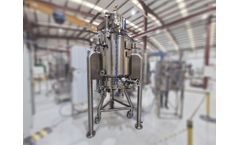
Pharmaceutical manufacturing is not immune to this dynamic. Drug developers increasingly look to revolutionise systems towards greater returns. ...
Cytokines, small molecules with potent biological activity, are primarily synthesized by immune and non-immune cells (e.g., vascular endothelial cells, epidermal cells, fibroblasts) in response to stimulation. ...