
- Home
- Articles
- latamerica
- in vitro assessment
In Vitro Assessment Articles & Analysis
7 articles found

There is currently no standardized in vitro model for assessing the effects of dry cannabis ...

Preclinical evaluation of cardiovascular safety involves a multifaceted approach, encompassing a plethora of in vitro and in vivo endpoints. These assessments continuously evolve, aiming to mitigate the incidence of cardiovascular toxicity that may emerge during clinical trials. ...
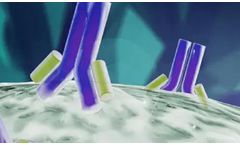
Safety evaluation in non-clinical research In non-clinical research, FC can be used to evaluate the safety of drugs in vivo and in vitro. In toxicological assessment, flow cytometry provides higher accuracy and lower variability, reducing time, reagents, and animal costs. Flow cytometry has been used to assess drug-induced vascular damage (cell ...

To improve current bioaccumulation assessment methods, a methodology is developed, applied and investigated for measuring in vivo biotransformation rates of hydrophobic organic substances in the body (soma) and gastro‐intestinal tract of the fish. ...
Bio‐equivalents (e.g., 17β‐estradiol or dioxin equivalents) are commonly employed to quantify the in vitro effects of complex human or environmental samples. However, there is no generally accepted data analysis strategy for estimating and reporting bio‐equivalents. Therefore, the aims of the present study are to 1) identify common mathematical models for the derivation of ...
Studies concerning the impact of nanomaterials, especially fullerene (C60), in fresh water environments and their effects on the physiology of aquatic organisms are still scarce and conflicting. We aimed to assess in vitro effects of fullerene in brain and gill homogenates of carp Cyprinus carpio, evaluating redox parameters. ...

In this investigation, the morphology, composition and resultant surface roughness of the nHA coating surfaces were examined, prior to in vitro cytocompatibility, proliferation and cell morphological assessments using primary alveolar human osteoblast-like (aHOB) cells. After heat treatment of nHA coatings prepared using electrohydrodynamic spraying, it was found ...