
- Home
- Articles
- latamerica
- liver damaging
Refine by
Liver Damaging Articles & Analysis
19 articles found
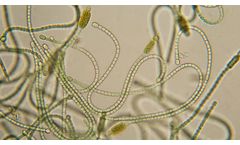
Cyanotoxins are toxic substances produced by cyanobacteria, or blue-green algae, which can proliferate in water bodies under conditions like high nutrient levels and warm temperatures. There are over 1,118 different cyanotoxins identified globally in freshwater environments across 66 countries, illustrating the widespread nature of this ...

The researchers found that in laboratory tests, the extracts reduced UVB damage and improved wound healing, while also affecting the production of collagen, which keeps skin elastic. ...

These enzymes are released into the bloodstream when heart muscle is damaged and can indicate the severity of the damage. Liver enzymes such as alanine aminotransferase (ALT) and aspartate aminotransferase (AST) are used to diagnose liver disease. Elevated levels of these enzymes in the blood can indicate liver ...
When certain organs and tissues of the human body are damaged or disease occurs, some enzymes are released into blood, urine or body fluids. Such as acute pancreatitis, serum and urine amylase activity is significantly increased; hepatitis and other causes of liver damage, hepatocyte necrosis or enhanced permeability, a large amount of ...
When certain organs and tissues of the human body are damaged or diseased, certain enzymes are released into blood, urine or body fluids. Such as acute pancreatitis, serum and urine amylase activity were significantly increased. Hepatitis and other causes of liver damage, hepatocyte necrosis or increased permeability, a large amount of ...
Loss of glutathione reductase makes cells more sensitive to oxidants and antibiotics. For patients with liver damage, the detection of glutathione reductase can enable us to understand whether the function of the body's glutathione antioxidant system is sound. ...

There is currently no cure for biliary tract diseases other than liver transplantation, so new modalities of treatment are urgently needed. ...

No parent wants to hear their child has a condition that might affect their education, family life, and overall well-being. Unfortunately, there’s currently no restorative treatment for short bowel syndrome (SBS). Monitoring nutrition is a lifelong necessity for anyone with this disorder. This means that no matter the cause of SBS, there are certain things you should know about nutrition ...

This is to say that relatively more drugs will enter the lymphatic circulation and at the same time avoid the first pass effect of the drug in the liver. In this way, it not only greatly reduces the damage of the drug to the liver, but also greatly reduces the chance of the drug being partially inactivated by the liver. ...
This is to say that relatively more drugs will enter the lymphatic circulation and at the same time avoid the first pass effect of the drug in the liver. In this way, it not only greatly reduces the damage of the drug to the liver, but also greatly reduces the chance of the drug being partially inactivated by the liver. ...

However, the Phase III study of Mylotarg was launched in 2004 and found that it would cause fatal liver damage. Pfizer voluntarily applied for its delisting in 2010. Unlike the first-generation ADC drugs using mouse-derived monoclonal antibodies, the second-generation ADC drugs use humanized-derived monoclonal antibodies represented by trastuzumab, which improves ...
These risk factors can easily lead to liver damage, which subsequently develops into liver fibrosis, cirrhosis and eventually liver cancer. ...
Solvents can irritate the eyes and respiratory tract, cause damage to the liver, kidneys, heart, blood vessels, bone marrow, and the nervous system. ...

Fibrosis-relatedRuminococcaceaeandVeillonellaceaespecies undergo metagenome sequencing, and four representative species are administered in three mouse NAFLD models to evaluate their effects on liver damage. This study provides the evidence for the role of the microbiome in the liver fibrosis pathogenesis, especially in non-obese subjects. ...
Studies shows that silymarin may help with the regeneration of liver cells, decrease inflammation and protect liver cells from damage in an antioxidant type mannerriiil « Read: Study shows FucoVital to be more effective than silvmarin in preventing harmful fat accumulation in liver cells » Artichoke Artichoke has ...
ByAlgatech

It can be used in conjunction with other auxiliary therapies to treats medical conditions that include: Skin and soft tissues diseases: Thermal burns, chemical burns, radiation burns Frostbite Scalds Skin infections (erysipelas, pyoderma, actinomycosis, aspergillosis, Gram negative bacteria infections, nosocomial infections) Dry skin Cutaneous ulceration (caused by vein insufficiency , ...

Abstract Serine-rich splicing factor 3 (SRSF3) plays a critical role in liver function and its loss promotes chronic liver damage and regeneration. As a consequence, genetic deletion of SRSF3 in hepatocytes caused progressive liver disease and ultimately led to hepatocellular carcinoma. Here we show that SRSF3 is decreased in ...

The health endpoints condition, liver somatic index (LSI), and macrophage aggregates (MAs; indicators of oxidative stress and tissue damage) in the liver, kidney, and spleen were examined, and in female perch were compared between lakes and related to Hg concentrations measured in the muscle and liver tissue. No negative ...

Objective: To investigate liver function in vinyl chloride workers and assess its relation with current/past occupational exposure to vinyl chloride monomer (VCM). Methods: A medical examination including the execution of liver function tests (LFTs) and liver ultrasonography was executed in a group of 757 workers with a long-standing service in ...