
- Home
- Articles
- latamerica
- molecule generator
Molecule Generator Articles & Analysis
22 articles found

Recombinant extracellular domains of CCR1 are used to: l Map ligand-binding interactions with chemokines and antibodies l Screen for small-molecule or peptide inhibitors l Generate high-affinity monoclonal antibodies for therapeutic exploration In contrast, full-length CCR1 expressed in mammalian or insect cells enables GPCR signaling assays, including ...
The Importance of Exosome Lipidomics and Metabolomics The term lipidomics refers to the study of lipids in biological systems, whereas metabolomics involves the profiling of metabolites, the small molecules generated during metabolic processes. In the context of exosomes, these two analytical fields reveal a wealth of information about the state of the parent ...

RNA splicing removes the introns from the pre-mRNA molecule and joins together the exons to form a mature mRNA molecule that can be translated into protein. ...

For example, use immune agonists as payloads for ADCs. 3) The structures of traditional ADC small molecule payloads are generally complex and difficult to synthesize. New ADC payloads tend to select small molecules with simple structures and low molecular weights, which greatly reduces the difficulty of synthesis. 4) Traditional ADC payloads ...
Trans-splicing occurs when exons from different genes are spliced together, generating novel RNA molecules. Read-through transcription refers to the transcriptional read-through of adjacent genes, leading to the production of fusion transcripts. Fusion genes, resulting from chromosomal rearrangements, create chimeric RNA molecules by merging ...
Apart from PROTAC, various targeted protein degradation (TPD) strategies are emerging, involving molecular glue, Autophagy-Targeting Chimera (AUTEC), Autophagosome Tethering Compound (ATTEC), and Autophagy Targeting Chimera (AUTOTAC). These compounds are generally bifunctional small molecules, consisting of two parts: one part contains an E3 recruitment ligand to ...
RNA splicing removes the introns from the pre-mRNA molecule and joins together the exons to form a mature mRNA molecule that can be translated into protein. ...

Amidst these endeavors, Computer-Aided Drug Design (CADD) has emerged as a transformative methodology, harnessing the power of computational tools and simulations to predict, understand, and optimize the interactions between drug candidates and their target molecules. Through its integration of computer science, chemistry, biology, and physics, CADD has proven to be a pivotal ...

There is no optical overlap between the upconverting luminescence-encoded microspheres and the dye-labeled reporter molecule, so there is a wide range of wavelengths from labeling dye to fluorescence. Quantum dot-encoded microspheres can also be used to bind target DNA molecules. Using the laminar flow of the microfluidic chip and an external magnetic force, the ...
The small molecules of the first-generation ADCs were not toxic enough, and the ADCs were not stable enough, and most of them ended in failure. The second generation of drugs used more toxic small molecules to overcome the weakness of the first generation of insufficient potency and optimized the antibody but ...
However, these peptide-based PROTAC molecules were not ready for drug preparation. Until 2008, when the first small-molecule E3 ubiquitinase ligand-based PROTAC came out, marking the beginning of small-molecule PROTAC research, and PROTAC research also entered the development stage. ...
However, with the development of some perfect antibody modification techniques, advanced site-specific coupling techniques and powerful small-molecule toxins, ADC drug research has mushroomed and a large number of ADC drugs are in clinical trials. ...

Abstract De novo molecule design algorithms often result in chemically unfeasible or synthetically inaccessible molecules. ...

. * Targeted degradation is emerging as a valuable approach to preclinical target validation, and TPD molecules have advantages over other small molecule drugs for several reasons, such as: * TPD compounds don't need to be tightly bound to have an impact, therefore they could be used for POIs that don't have a defined small molecule binding ...

In parallel, improvements in cryogenic-electron microscopy (cryo-EM) are enabling researchers to experimentally solve even the most challenging proteins and complexes. Cryo-EM scans flash-frozen molecules with an electron beam, generating images of the proteins in multiple orientations that can then be computationally reassembled into a 3D structure. In 2020, ...

Abstract Drug discovery and development is an expensive, complex, and time-consuming task [5]. Recently, the development of artificial intelligence (AI) approaches to drug discovery, specifically de novo drug design through the use of deep generative models, has triggered a lot of interest in the drug hunter community, especially as an important tool to speed up the process ...
ByIktos
Abstract Generative models are frequently used for de novo design in drug discovery projects to propose new molecules. However, the question of whether or not the generated molecules can be synthesized is not systematically taken into account during generation, even though being able to synthesize the ...
ByIktos
Due to the bondage of the electric field of the nucleus, electrons in atoms, ions, or molecules generally have many different energy levels. When at the lowest possible energy level, the electrons in these molecules are in the ground state, and when at a higher energy level, these electrons are transferred to the excited state. As the electron ...
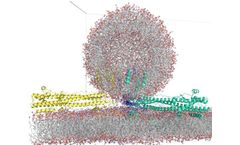
Introduction The atoms in biomolecules are always in constant motion, and the functions of molecules and the interactions between them are closely related to the dynamics of the molecules involved. ...
The RNA drug delivery system An excellent delivery system must meet the following basic requirements: 1. It can combine RNA molecules to form complexes; 2. It can promote the uptake of cells; 3. ...