
- Home
- Articles
- latamerica
- pharmaceutical raw material
Refine by
Pharmaceutical Raw Material Articles & Analysis
5 articles found
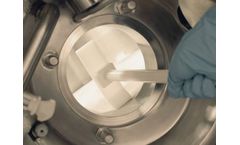
Solid-liquid separation is necessary in many industries for compliance, quality control, and efficient production processes. In the pharmaceutical industry, solid-liquid separation is conducted in applications such as biocatalysis, active pharmaceutical ingredient (API) purification, and chromatography, to name a few. ...

However, in principle, the newly added medicinal excipients must first apply for NDA (New Drug Approval) test and establish relevant quality standards, and secondly, they must be generally recognized as safe substances, namely GRAS-grade raw materials; otherwise, they cannot be approved for use as a pharmaceutical excipient. ...
The purpose of the stability testing is to investigate how the raw materials or pharmaceutical preparations will change over time under the influence of temperature, humidity, and light, so as to provide a scientific basis for the production, packaging, storage, and transportation conditions of the drug, and to establish the validity period of ...

There are STANDARD Guidelines used to define the Identification and Purity of compounds used in Pharmaceutical and Cosmetic formulations, as well as the final Products. These protocols are described in great detail in the various Monographs of the United States and British Pharmacopoeias, the National Formulary (USP/NF and BP), the International FAO/WHO Codex (CODEX) and other Regulatory ...
Normal quality control procedures involve accepting a “lot” of a raw material from a supplier and then performing a series of tests to determine if the material is suitable for use in a manufacturing process. For the drug manufacturing industry, as well as many others, this is both a critical and time-consuming (and occasionally costly) step in the process. If the sample is not ...