
- Home
- Articles
- latamerica
- tissue imaging
Refine by
Tissue Imaging Articles & Analysis
17 articles found

Histological image analysis has emerged as a pivotal domain in biomedical research and clinical diagnostics, allowing scientists and healthcare professionals to decipher the intricate structures of tissues at a microscopic level. ...
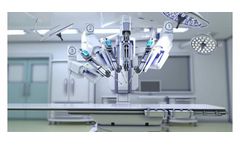
The quantification of genomic DNA is shaping personalized medicine, while tissue oxygenation imaging improves patient monitoring. Innovations like the disposable linear stapler and aspirator endocervical optimize surgical efficiency, particularly in procedures involving the anterior cruciate ligament and brain trauma care. ...

Nanotechnology: Ovalbumin-based nanoparticles show promise in targeted drug delivery and imaging techniques. 2. Tissue engineering: The protein's biocompatibility makes it a potential candidate for scaffolding materials in tissue regeneration. 3. ...

Dendrimers have attracted much attention in drug delivery, imaging, and materials science due to their unique structure, high monodispersity, and tunable properties. ...

The use of Quantitative Susceptibility Mapping (QSM) is often viewed as incompatible with current standard radiology workflows. Some radiologists or departments may be unaware of its existence or purpose. Despite the skepticism surrounding its viability in a clinical setting, QSM shows great potential in a wide range of clinical applications, particularly for biomarker detection and ...

Since the 19th century, the practice of tissue processing has remained largely unchanged, resulting in solidified, paraffin-embedded tissue blocks for sectioning. As staining procedures have advanced and immunohistochemistry is becoming more widely used, high-quality tissue sections are paramount for accurate interpretation of disease ...

This becomes cumbersome when you want to image pre-existing conditions, tissue scans for implantology, and other advanced needs With version 3.0 in Meditlink software, launched in October of 2022, you can import or scan multiple models in the same patient ...
ByCAD-Ray

Single-cell chromatin accessibility can also be derived without tissue dissociation by identifying pixels containing only one nucleus using immunofluorescence imaging. ...
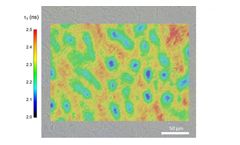
April Studying animal tissue is an important tool for scientists to learn more about the effects of treatments for illnesses in humans. ...

Pathologists conduct a biopsy on a tissue when a carcinoma case for a patient is suspected. They stain the cells on that tissue using some biochemical materials that react with a certain cell element. ...
Automatic scoring of Ki-67 with digital image analysis would improve the accuracy of the diagnostic. However, automatic Ki-67 assessment is very challenging due to complex variations of cell characteristics. ...
Fluorescent in situsequencing methods (e.g., FISSEQ, STARmap) ( Lee et al., 2015 ; Wang et al., 2018 ) were additionally reported, but the number of detectable genes was limited, and their workflow resembled sequential FISH, again requiring a lengthy, repeated, and technically demanding imaging process. It is highly desirable to develop new methods for ...
This has been accomplished by a series of clinical trials that have demonstrated the efficacy of the treatments for patients 6 hours post stroke onset, then 8 hours out, and finally, 24 hours after first stroke symptoms, based on brain tissue viability as determined by imaging studies [see Figure ...

Summary: In treating brain cancers, neurosurgeons face a critical decision: remove too little tissue and risk fatal recurrences or remove too much and cause profound neurological damage. Presently, they rely on pre-operative surgical navigation technologies, such as MRI, in order to determine the contours of the cancerous tissue to be safely removed. These ...

A vibrational fingerprint from the biological tissue provides information which can be used to identify, characterize and discriminate structures in breast tissue, both in the normal and cancerous environment. Results: The paper reviews recent progress in understanding structure and interactions at biological interfaces of the human tissue by ...

Iron oxide nanostructures including nanoparticles and nanorods have been widely used for numerous in vivo and vitro applications such as magnetic resonance imaging contrast enhancement, tissue repair and drug delivery. All these biomedical and bioengineering applications require that these nanostructures have high magnetisation values and size smaller then 100 nm ...
Here, we explore the factors that affect imaging contrast with quantum dots, including time, dosage, emission and excitation wavelengths, and instrumentation. ...