
Refine by
Cancer Cell Articles & Analysis
278 articles found

In the world of preclinical lung cancer research, seeing a tumor is only half the battle. While traditional imaging like microCT can show us where a mass is located, it often fails to tell the full story: How is that tumor actually affecting the animal’s ability to breathe? A recent pilot study by Smith et al (2025) has broken new ground by combining two powerhouse technologies - ...

Many oncology drugs have been abandoned by pharmaceutical companies due to poor performance in phase I, II, or III clinical trials. These drugs represent untapped potential treatments for indications outside of those initially investigated. With research and development costs for a single new drug estimated between $2–3 billion, abandoned drugs represent an opportunity to bring drugs to ...
Population growth, aging populations and increases in cancer incidence have necessitated new approaches to identifying effective treatments. One such approach involves the repositioning, or repurposing, of drugs already FDA approved in either non-oncology disease states and/or approved in a limited number of tumor types. The repurposing of these drugs for new indications represents an ...

Human ovarian epithelial cells play a crucial role in ovarian function and have become a significant focus in cancer research, specifically ovarian cancer. The ability to study these cells in a laboratory setting has been greatly enhanced through the development of immortalized human ovarian epithelial cell lines, particularly those that utilize the SV40 (Simian Virus 40) large T antigen. ...

Post-transcriptional modifications of RNA molecules include methylation, acetylation deamination, isomerization, glycosylation, thiolation and pseudouracil modification among other types. Methylation represents the predominant post-transcriptional modification found within transfer RNA (tRNA) molecules. tRNA methylation has maintained its evolutionary conservation while also exhibiting dynamic ...

In recent years, the field of gene editing has experienced groundbreaking advancements, with CRISPR/Cas9 emerging as a powerful technology for precise genetic manipulation. Among various delivery systems, lentiviruses have garnered significant attention due to their ability to introduce genetic material into both dividing and non-dividing cells, making them an ideal vehicle for gene therapy ...
Adenoviruses are a group of viruses that have gained significant attention in recent years, particularly in the fields of gene therapy, vaccine development, and cancer treatment. With their ability to deliver genetic material into cells effectively, adenoviruses serve as valuable vectors in various biomedical applications. To harness their potential, specialized adenovirus production services ...
Antibody-drug conjugates (ADCs) combine potent small-molecule drugs with monoclonal antibodies for targeted cancer therapy. A major challenge is loading enough drug onto each antibody without compromising solubility or circulation time. Introducing polyethylene glycol (PEG) linkers between the antibody and drug payload can address this. PEG is hydrophilic, biologically inert, and FDA‐recognized ...

The BCL2 gene, short for B-cell lymphoma 2, is a critical regulator of apoptosis, or programmed cell death. It belongs to a larger BCL2 gene family, which includes both pro-apoptotic and anti-apoptotic proteins that maintain a delicate balance between cell survival and cell death. Dysregulation of this gene family is implicated in a variety of diseases, most notably cancer. What is BCL2? The ...

Active Pharmaceutical Ingredients (APIs) form the foundation of modern pharmaceuticals, serving as the biologically active components responsible for the therapeutic effects of medications. These crucial compounds undergo rigorous research, development, and manufacturing processes before being integrated into final pharmaceutical formulations. The pharmaceutical landscape encompasses a diverse ...

Alfa Cytology has revealed new FAP-targeted therapeutics development services that aim to develop precise and effective cancer treatments. Alfa Cytology has introduced its groundbreaking initiative which targets fibroblast activation protein(FAP) for cancer therapies. These solutions focusing on FAP to improve treatment accuracy and deliver customized projects that strive to obtain more ...
Cancer treatment has witnessed transformative advancements over the past few decades, notably with the emergence of CAR-T (Chimeric Antigen Receptor T-cell) therapy. This revolutionary therapy harnesses the body's immune system by genetically engineering T-cells to target and destroy cancer cells. Among the pioneering companies at the forefront of this innovation is Alfa Cytology, renowned for ...
Circulating Tumor Cells, or CTCs, are cancer cells that have shed from the primary tumor and enter the bloodstream, where they can travel and potentially lead to metastasis. These cells are of significant interest in oncology due to their potential to provide vital information about the tumor’s characteristics and behavior. One of the advanced techniques used to analyze CTCs is Fluorescence ...
In recent years, the field of antibody drug design has become increasingly significant in the realm of therapeutic development, driven by the need for more effective and targeted treatments for various diseases, including cancer, autoimmune disorders, and infectious diseases. Antibodies, which are proteins produced by the immune system, have the ability to specifically recognize and bind to ...

The main focus of drug carrier research today is to identify carriers that are both safe and effective for clinical treatment applications. As treatment strategies advance researchers regularly update drug delivery systems. Traditional drug delivery systems consist of liposomes and polymer micelles together with nanoparticles but despite their inclusion in clinical trials current versions still ...
Alfa Cytology has officially released its antibody-drug conjugates(ADCs) development services which demonstrates the dedication to fighting cancer through advanced treatment methods. Alfa Cytology, which stands at the forefront of oncology service provision in New York United States, has announced its sophisticated antibody-drug conjugates(ADCs) development services for cancer. The pioneering ...
In recent years, the fight against cancer has seen significant advances, particularly with the emergence of targeted therapy. Among the most promising strategies in this domain is the development of radioactive drug conjugates(RDCs). These innovative therapeutic agents combine the targeting capabilities of antibodies with the cytotoxic effects of radioactive isotopes, providing a powerful ...
Antibody-Drug Conjugates (ADCs) represent a groundbreaking advancement in targeted cancer therapy, combining the specificity of antibodies with the potency of cytotoxic drugs. The development and production of ADCs are complex processes that require a deep understanding of both biology and chemistry, alongside cutting-edge technology. This article delves into the intricacies of ADC development ...

Hydroxyapatite (HA), a naturally occurring mineral form of calcium apatite, has emerged as a cornerstone material in modern science and technology. Its unique properties, such as biocompatibility, bioactivity, and structural similarity to human bone and teeth, make it indispensable in fields like biomedical engineering, environmental science, and advanced materials. This article delves into the ...
ByMatexcel
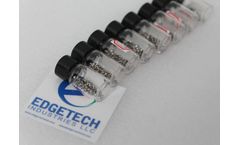
For decades, the medical field has seen incredible advances in technology – from new diagnostic capabilities to improved treatments that have saved countless lives. One of these impressive solutions is radiopaque markers – small devices used to diagnose and treat a variety of conditions, ranging from cardiovascular problems to cancer. Not only do they help doctors better understand ...