


Could a Novel BET Inhibitor Protect the Lungs from Secondhand Smoke?
While the dangers of primary smoking are well-known, nearly half of the U.S. population remains at risk from the silent threat of secondhand smoke (SHS). Chronic exposure to SHS triggers a cascade of inflammation and vascular damage that can lead to irreversible conditions like COPD and emphysema.
A recent study from Sturgis et al. (2025) has demonstrated a promising new therapeutic candidate: VYN202, a small-molecule bromodomain and extra-terminal (BET) inhibitor. Researchers found that this oral treatment significantly blunts the inflammatory storm caused by SHS, offering a potential lifeline for those exposed to environmental tobacco smoke.
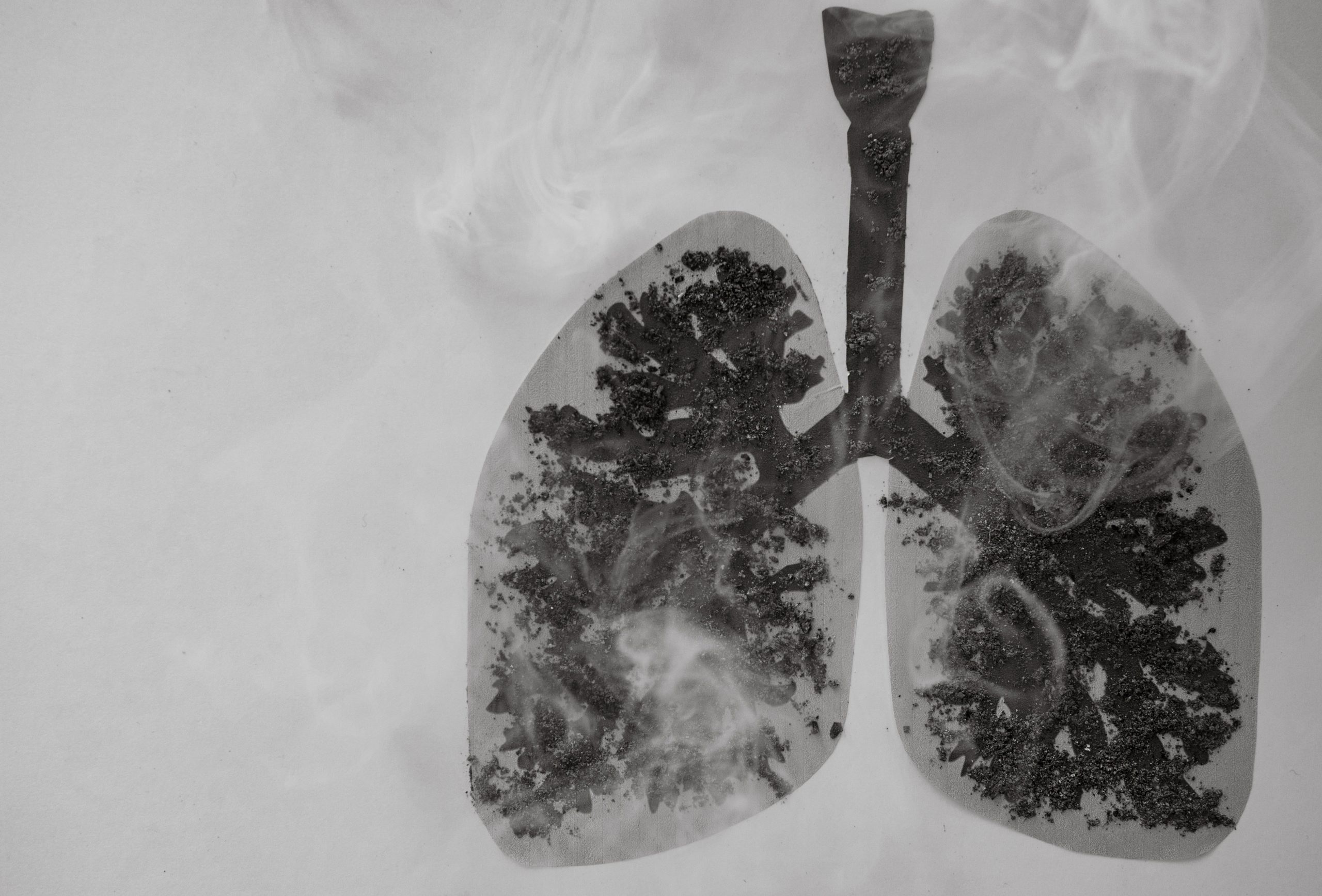
To understand how SHS affects the lungs and how VYN202 might fix it, the researchers utilized two industry-leading technologies from SCIREQ:
- The inExpose System: Accuracy is everything in smoke inhalation studies. The team used the inExpose nose-only delivery system to simulate standardized SHS exposure. Unlike whole-body methods, this configuration allowed for precise control over the concentration of smoke (measured at 100–150 mg/m³ of particulate matter), ensuring that the mice received a dose that accurately reflects human environmental exposure.
- The flexiVent System: To see if VYN202 actually improved breathing, researchers used the flexiVent FX; the gold standard of preclinical respiratory function. While traditional histology (looking at tissue under a microscope) showed no visible structural changes yet, the flexiVent’s highly sensitive pulmonary function tests detected improvements in air volume and flow (FEV0.1) in mice treated with VYN202. It provided a functional snapshot of lung health that standard imaging couldn’t see.

The study found that SHS exposure causes immune hyperactivation, turning the lungs into a site of intense inflammation. Here is how VYN202 intervened:
- Reduced Leaky Lungs: SHS increases protein levels and white blood cell counts in the lung fluid—signs of a breaking alveolar barrier. VYN202 significantly lowered these markers.
- Silencing the Alarm Proteins: The researchers identified several Receptor Tyrosine Kinases (RTKs) (like JAK1, JAK3, and ABL1) that act as inflammatory gas pedals. SHS pushes these pedals down; VYN202 lets them off.
- Restoring Balance: Surprisingly, SHS also suppresses certain protective pathways (like VEGFR2 and JAK2) that maintain healthy blood vessels. VYN202 helped restore these levels, helping the lungs maintain their structural integrity.
- Cytokine Suppression: Common inflammatory messengers like TNF-α and IL-17A were significantly reduced in mice treated with the inhibitor.
VYN202 is currently being evaluated for skin conditions like psoriasis, but this research suggests its reach could be much broader. Because it is orally bioavailable and targets the epigenetic switches of inflammation, it represents a sophisticated way to prevent smoke-induced lung damage before it becomes permanent.
Sturgis, K.A., et al. (2025). Potential Use of VYN202, a Novel Small Molecular Bromodomain and Extra-Terminal Inhibitor, in Mitigating Secondhand Smoke (SHS)-Induced Pulmonary Inflammation. Current Issues Molecular Biology, 47(12), 1062