
Refine by
Brain Barrier Articles & Analysis
21 articles found
Precise and safe delivery of drugs to target sites has always been an important task for researchers in modern medicine. With the development of nanotechnology, a variety of nanodrug delivery systems (NDDS) have been designed and prepared, such as the most familiar liposomes, polymer nanoparticles, and metal nanoparticles. However, a new kind of drug delivery system has also gradually emerged in ...

Active Pharmaceutical Ingredients (APIs) form the foundation of modern pharmaceuticals, serving as the biologically active components responsible for the therapeutic effects of medications. These crucial compounds undergo rigorous research, development, and manufacturing processes before being integrated into final pharmaceutical formulations. The pharmaceutical landscape encompasses a diverse ...
Human astrocytes-cerebellar (HA-c) represent a significant advancement in the field of neurobiology, particularly in understanding cerebral development, functionality, and pathology. Astrocytes, the star-shaped glial cells in the brain, play crucial roles in maintaining homeostasis, supporting neuronal function, and responding to injury. The cerebellum, responsible for motor control and cognitive ...

In the rapidly evolving field of pharmaceuticals, nanotechnology has emerged as a revolutionary force, transforming the landscape of drug delivery and formulation development. The integration of nanotechnology into pharmaceutical formulation offers unprecedented opportunities to enhance the efficacy, safety, and convenience of therapeutic interventions. This article explores the profound impact ...
Most of the old drugs are currently limited in their effectiveness because of poor pharmacokinetics, simple clearance by the body and cytotoxicity. Nanoparticle technology in particular, Nano drug delivery system is getting a lot of attention and application in medicine in the recent years. Since it is small (1100nm), targets well, and stays in the circulation long enough, NPs are a good ...

Alfa Cytology has introduced its advanced drug development services for brain tumors. Alfa Cytology, celebrated for its cutting-edge biotech solutions and extensive tumor research expertise, has recently introduced brain tumor drug development services, designed to empower researchers in understanding the intricacies and unique challenges associated with brain tumors. Brain tumors represent a ...
Polyethylene glycol (PEG) derivatives have become pivotal in the pharmaceutical industry, revolutionizing drug delivery systems and enhancing the efficacy of various therapeutic agents. The unique properties of PEG derivatives, including their biocompatibility and ability to modify the solubility, stability, and bioavailability of drugs, make them indispensable in modern pharmacology. This ...
Ongoing research and inventions in the field of oncology focus on the development of small molecule drug therapies for use in brain tumor resection. Small molecule drugs are being developed to target and effectively treat brain tumors to improve therapeutic outcomes. Small particles containing compounds that can enter cells and interact with specific targets to inhibit or modulate their ...
Poly(lactic-co-glycolic acid) (PLGA) is a functional polymer organic compound randomly polymerized by lactic acid (PLA) and glycolic acid (PGA). It has been approved by the U.S. Food and Drug Administration It is certified by the Food and Drug Administration (FDA) and is a copolymer material available on the market. PLGA has good biocompatibility, biodegradability, mechanical strength, good ...
What is a Nanobody?Nanobodies are the smallest functional single-domain antibodies known to be able to stably bind to antigens, and have unique structural and functional advantages. The molecular weight of nanobodies is only 12-15 kDa, which retains the antigen binding ability of traditional antibodies. However, nanobodies have higher solubility and stability, and have unique advantages in ...
Lung cancer is a major type of cancer in the world, with the highest morbidity and mortality among all malignant tumors. ALK-positive non-small cell lung cancer (ALK+ NSCLC) is a relatively rare and dangerous subtype, with patients suffering from a high incidence rate of brain metastases. Statistics show that about 55% of ALK-positive advanced NSCLC patients will develop brain metastases during ...

This holiday season, Americans will consume around 87 million turkeys. And after they gobble down their turkey dinners, they might experience post-meal sleepiness. Often, people blame turkey as the cause. But does turkey actually make you tired? Why? What's in it? And what other factors are at play? In today’s article, we’ll break down the health myth of whether eating ...

When we feel uncomfortable, we tend to eat less, drink less, and exercise less. This is not unique to humans—most animals reduce these three behaviors when fighting infection. Recently, a new study pinpoints clusters of neurons that control these responses (uncomfortable behavior). By provoking immune responses in mice, the researchers demonstrated that specific cell populations in the ...
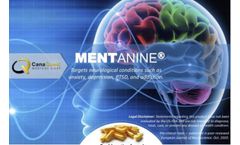
About: CanaQuest Medical is an award-winning, Clinical Stage/Life-Sciences company focused on the drug discovery and development of next-generation targeted therapeutics within the endocannabinoid system and specific brain receptors. The Company is focused on treating neurological conditions, such as epilepsy, anxiety, depression, and Post Traumatic Stress Disorder “PTSD,” including ...
Cell-penetrating peptides (CPPs) refer to water-soluble, partly hydrophobic, and/or polybasic short peptides that are fewer than 30 amino acids in size. Different types of CPPs like chimeric peptides and hydrophobic peptides have different lengths, charges, solubility, and hydrophobicity. At current, cell-penetrating peptides are often classified in line with their characteristics, including ...
It is certain that RNA therapy is no longer a no-man's land for medical innovation. Not only have several products been launched and received good market response, but there are also many pipelines in the research and development side to advance to the middle and late clinical stage, and behind the boom are the technological breakthroughs of scientists. There are three key points in the ...

CURRENT STANDARD OF CARE FOR BRAIN TUMORS The current initial standard of care for aggressive brain tumors—whether they are primary brain tumors (ie, tumors that originate in the brain), or metastatic tumors from cancers that started outside of the brain—is resection. After surgery, a follow-up treatment, also referred to as adjuvant treatment, is often recommended to help eliminate ...

Hydrogen molecule is the smallest molecule in nature. It is extremely penetrating and extremely volatile. It can freely enter and exit the body cells, remove aging and toxic free radicals. After drinking, it enters human body tissues and diffuses to act on all organ line particles and nucleus. Absorbed by the body. Realize the balance of the environment in the body and initiate the mechanism of ...

Abstract Reactive astrocytes are associated with every form of neurological injury. Despite their ubiquity, the molecular mechanisms controlling their production and diverse functions remain poorly defined. Because many features of astrocyte development are recapitulated in reactive astrocytes, we investigated the role of nuclear factor I-A (NFIA), a key transcriptional regulator of astrocyte ...

Introduction The classical field of neuroscience entails biological or psychological investigation of the nervous system, including the brain, spinal cord and the systemic network of sensory nerve cells called neurons.1 Traditionally, this field comprised of purely biological studies but has since flourished into an interdisciplinary sphere addressing the developmental, physiological, ...