
Refine by
Brain Cell Articles & Analysis
29 articles found

This innovative approach has led to breakthroughs in understanding complex brain functions, neurodegenerative disorders, and psychiatric conditions. The Role of AAVs in Optogenetics Adeno-associated viruses are particularly well-suited for optogenetics due to their ability to provide stable gene expression in non-dividing cells, such as neurons. AAVs have various ...

Astrocytes, the star-shaped glial cells in the brain, play crucial roles in maintaining homeostasis, supporting neuronal function, and responding to injury. ...

Today, it is possible to produce different kinds of cell membrane-encapsulated nanoparticles — for example, red blood cell membrane nanoparticles, white blood cell (neutrophil, macrophage) membrane nanoparticles, platelet membrane nanoparticles, tumor cell membrane nanoparticles, stem cell membrane ...
Human brain has approximately 171 billion cells, of which slightly more than half (approximately 86 billion) are nerve cells. ...

Cell Analysis for Brain Tumors Cell analysis, particularly at the single-cell level, provides deep insights into the cellular heterogeneity within brain tumors. ...
Small molecule drugs are crucial for targeting the molecular pathways and signaling mechanisms involved in the growth and development of brain tumors. These drugs can cross the blood-brain barrier and enter directly into the tumor cells, thus exerting a targeted effect. The potential benefits of small molecule drug therapy for ...

Stroke, also known as transient ischemic attack or cerebrovascular accident, is an acute brain disease. Usually, a sudden rupture of a blood vessel in the brain or a blockage of a blood vessel that prevents blood from flowing to the brain can cause damage to brain tissue, resulting in a stroke. Long-term strokes can lead to ...
After processing the embryonic brain tissue into a single cell, only the cells with the ability of self-renewal can be cloned and proliferated into a suspended nerve ball in the culture medium, and with the progress of subculture, the ability of proliferation and differentiation into a variety of neural progeny cells can be ...

They facilitate the recognition and binding of immune cells, such as T cells, B cells, and antigen-presenting cells, during immune responses. ...
Human brain has approximately 171 billion cells, of which slightly more than half (approximately 86 billion) are nerve cells. ...

Previously, it was thought that glial cells, which support neuronal activity, metabolize most of the glucose in the brain. ...
Thus, Friedman and Ilanges set out to map the brain regions behind the discomfort behavior of mice. The team first exposed mice to lipopolysaccharide (LPS), a component of the bacterial cell wall that activates the immune system and effectively induces uncomfortable behavior. ...

Amyotrophic lateral sclerosis (ALS): ALS affects nerve cells in the brain and spinal cord which causes loss of muscle control. ...

Mapping the accessible genome in the mouse and human brain revealed the intricate arealization of brain regions. Applying spatial-ATAC-seq to tonsil tissue resolved the spatially distinct organization of immune cell types and states in lymphoid follicles and extrafollicular zones. ...

A new study by scientists at Scripps Research shows that the anxiety that develops during abstinence from excessive drinking can lead to relapse, and that anxiety may be caused in part by the release of immune proteins in the brain. The findings, published online recently in Molecular Psychiatry, shed light on the molecular details of the brain's response to ...

It is no secret that glucose, a form of sugar, is the main source of energy for every cell in our bodies, including our brain cells. Because the brain is packed with neurons, it uses more energy than any other organ in the body. Our brains reward us for consuming sugar. Whether you are eating a delicious meal, ...

Vitamin B12: It can prevent anemia, maintain a healthy nervous system, reduce allergic symptoms, and improve memory and body balance by producing and renewing red blood cells in the body. Vitamin B13 (Orotic Acid): It is important for cell recovery and repair as it is metabolized together with vitamin B12 and folic acid. ...
This method resolved spatially distinct and cell-type-specific chromatin modifications in mouse embryonic organogenesis and postnatal brain development. Single-cell epigenomic profiles were derived from the tissue pixels containing single nuclei. ...
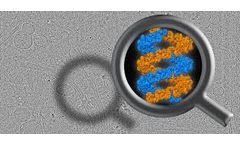
The findings explain how this protein is activated in cells, thereby initiating the clearance and replacement of damaged mitochondria. When this protein does not work properly, it causes brain cells to lack energy, resulting in their dysfunction, which can lead to brain cell death in the long term. ...

Existing work in this category has focused on: Increasing packaging capacity beyond ~4.7kb, Targeting (and de-targeting) specific tissues such as the brain [3] or liver, and Improving the ability of the capsid to evade the immune system, even after repeated administration. ...