
Refine by
Brain Control Articles & Analysis
14 articles found
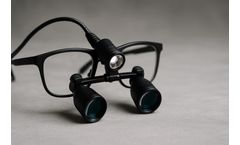
The loupes bring the surgical field into clear view, delivering enhanced magnification, clarity, and control where millimeter-scale accuracy matters.Representative cases include:Pediatric tumor removal: magnification allowed sharp delineation of an Adeyole cystic tumor compressing a developing brain, enabling precise dissection and controlled ...

ALK-positive non-small cell lung cancer (ALK+ NSCLC) is a relatively rare and dangerous subtype, with patients suffering from a high incidence rate of brain metastases. Statistics show that about 55% of ALK-positive advanced NSCLC patients will develop brain metastases during the treatment process, which is a serious challenge facing oncologists. ...

Unlike voluntary muscle contractions, these forced, intense contractions are not controlled by the brain and are therefore much more efficient. The cells are then activated in order to shape the muscles and tone the figure. ...
ByDELEO

Sleep is an important factor to help maintain health and well-being. It’s recommended that an adult should get at least 7 hours of sleep a night. Getting a good night’s sleep has many benefits such as better memory, reduced stress levels and lowers the risk of heart disease. On the flip side, not getting enough sleep regularly can have serious repercussions such as a weaker immune ...

Introduction By leveraging Connectomics to trace functional connectivity, seven large-scale brain networks have been identified. These networks have the most dominance over cortical function in the brain, and each serves an overarching common function. While some networks are familiar, many networks, and their constituents, are newly discovered1. These ...
Understand The Root Cause Of Arm Paralysis Arm and hand control via billions of brain network connections is a very sophisticated process. When there is interrupted blood flow to specific regions of the brain’s cortex that control planning and execution of movement, arm and/or hand function will suffer. ...
What is the salience brain network? The salience network (SN) is “the moderator.” As your mind’s personal moderator, the salience network constantly monitors the external world and carefully decides how other brain networks react to new information and stimuli. The SN moderates switching between the internal and external processing1 ...

Meditation is often thought of as an avenue to clarity and self-awareness, but it may also be an avenue to better brain health. Emerging research suggests meditation may have significant benefits to brain health, ranging from improved mental and behavioral health to enhanced cognitive function. In this article, we will break down how meditation helps the brain and provide helpful tips for ...
This research emphasizes the importance of identifying and controlling modifiable risk factors for cognitive decline and dementia as early as possible while monitoring brain health to detect changes in brain function as early as possible. Here is everything you need to know about smoking and cognitive decline, including a breakdown of the ...

Key points The vagus nerve controls many unconscious processes in the body The vagus neural network interfaces with inflammatory, mood and pain regulation. ...

Stroke is one of the most devastating and most prominent causes of disability around the globe, with 800,000 new cases each year in the US alone. During a stroke, the brain experiences an interruption in blood supply, which prevents the brain tissue from receiving the oxygen it needs to function properly. ...

CB1 is mainly found on cells in the nervous system, including certain areas of the brain and the ends of nerves throughout the body, while CB2 receptors are mainly found in cells from the immune system. ...
Click here for full article " Contralesional Brain–Computer Interface Control of a Powered Robotic Hand-Piece for Motor Recovery in Chronic Stroke Survivors" on AHA Journals - Stroke Abstract Background and Purpose— There are few effective therapies to achieve functional recovery from motor-related disabilities affecting the upper limb after stroke. ...

Brain-Computer Interfaces (BCIs) have enabled the brain with a new, non-muscular communication and control channel, a direct interface for conveying messages and commands to the external world. ...