
Refine by
Cancer Marker Articles & Analysis
14 articles found

ICA is one of the most successful and widely used point-of-care tests (POCT) and has been successfully used for human chorionic gonadotropin (hCG) detection, serodiagnostic assays, cancer detection, cardiac markers and infectious microorganism detection. ...
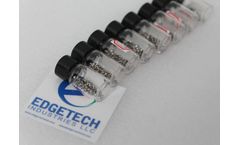
One of these impressive solutions is radiopaque markers – small devices used to diagnose and treat a variety of conditions, ranging from cardiovascular problems to cancer. ...

Customized Antibodies Antibody sequencing enables us to identify antibodies that bind precisely to specific targets (such as cancer cells, viruses, or inflammation markers). 3. Antibody Humanization Antibody humanization refers to the use of genetic engineering techniques to replace part or all of the amino acid sequence of a non-human antibody (such as a ...

For instance, it is widely used to diagnose abnormal cells, such as those found in cancerous tumors, by using specific molecular markers to characterize specific cellular events, such as proliferation or cell death (apoptosis). ...

With the deepening of the research on the three-dimensional structure, binding characteristics and stability of biotin and avidin, the application of BAS and its related technologies in a variety of automated immunoassay techniques has further promoted the development of sensitive, rapid and accurate determination techniques for some trace substances in plasma and body fluids such as small ...

Therefore, quantum dot-labeled microspheres can be used for multiplex detection of miRNA overexpression in human lung cancer cells. Fluorescent Microspheres for Protein Detection Multi-color quantum dot-bound microspheres have been widely proven to be used for the simultaneous detection of multiple antigens, including IgG, tumor markers, and pathogenic ...

Tumors and Blood Vessel Growth Tumor, as an abnormal mass of cells, has blood vessels of various sizes that can be seen everywhere on the surface and deep within it. Nutrients for life are continuously supplied to the depths of tumor cells through these blood vessels. As the tumor continues to grow, nearby blood vessels also undergo rapid and chaotic growth, with these newly formed capillaries ...

ELISA is commonly used to diagnose infectious diseases, autoimmune disorders, and even cancer. Another enzyme-based diagnostic tool is polymerase chain reaction (PCR), which can detect and amplify small amounts of DNA or RNA in a patient's sample. ...

Background Pancreatic cancer is one of the highest mortality rate cancers worldwide with 5-year relative survival of 10.8%. Lack of screening methods for early-stage detection as well as proper patient sub-characterization, make it a fatal cancer due to poor diagnoses and insufficient treatment. Methylation flags are kept on tumorigenesis, akin ...

The key to CAR-T cell therapy is the genetic modification of a patient's body's T cells, which can be collected through a process called apheresis and then shipped to a laboratory, where the cells are modified to contain T cell receptors that recognize specific markers on the surface of cancer cells. The newly modified T cells (CAR-T cells) are stimulated to grow ...

Immune diseases, congenital sugar defects, and dozens of genetic diseases, as well as cancers, are linked with abnormal glycosylation or lack of glycosidase. ...
NEW YORK - Spanish cancer research firm Universal Diagnostics is gearing up to commercialize a liquid biopsy test that applies methylation biomarkers to detect lung cancer, based on data presented at the International Association for the Study of Lung Cancer 2020 World Conference for Lung Cancer (WCLC) last month. ...

The surgical and radiation oncology team at Providence Mission Hospital (Mission Viejo, Ca) elected to use a novel tumor bed marker called VeraForm for a sarcomatoid carcinoma. Led by James Bredenkamp, M.D. and Quang Luu, M.D., this patient received a VeraForm marker when the lesion was surgically removed, representing a first of its kind for head and neck ...

Despite years of study focused on the tumor suppressor p53, little is understood about its functions in normal, differentiated cells. We found that p53 directly interacts with lysine-specific demethylase 1 (LSD1) to alter chromatin structure and confer developmental repression of the tumor marker alpha-fetoprotein (AFP). Chromatin immunoprecipitation (ChIP) and sequential ChIP of developmentally ...