
Refine by
Cancer Treatment Articles & Analysis
243 articles found

CAR-T cell therapy has transformed the treatment landscape for hematological cancers, yet its widespread adoption remains limited by the complexity of ex vivo manufacturing. ...

Fluoropolymers: A Critical Enabler in Cell and Gene Therapies Cell and gene therapies are revolutionizing medicine, offering cures for rare diseases and innovative treatments for cancer. Behind every successful therapy is a precise and sterile manufacturing process—where the choice of materials can make the difference between success and ...

Application Examples: Using ApoE as a backbone allows LNDs to be specifically targeted to liver cells; LNDs with an ApoA1 backbone can be used for tumor treatment and can even carry chemotherapy drugs and immune adjuvants for a combined attack. ...

Adenocarcinoma of the breast represents a significant subset of breast cancers, characterized by the malignancy of glandular tissues. This specific article focuses on the right medial segment, highlighting its histopathological features, diagnostic methods, and potential therapeutic avenues. ...

Post-transcriptional modifications of RNA molecules include methylation, acetylation deamination, isomerization, glycosylation, thiolation and pseudouracil modification among other types. Methylation represents the predominant post-transcriptional modification found within transfer RNA (tRNA) molecules. tRNA methylation has maintained its evolutionary conservation while also exhibiting dynamic ...
The Importance of Kinase Screening Kinases are implicated in a myriad of diseases, particularly cancer, where their dysregulation leads to uncontrolled cell proliferation. Targeting specific kinases has become a promising strategy for developing more effective and selective cancer therapies. Kinase screening services assist researchers in identifying active ...

Adenoviruses are a group of viruses that have gained significant attention in recent years, particularly in the fields of gene therapy, vaccine development, and cancer treatment. With their ability to deliver genetic material into cells effectively, adenoviruses serve as valuable vectors in various biomedical applications. ...
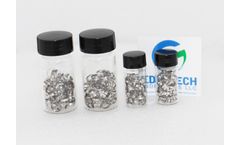
These tiny markers provide clear identification of the exact location where the treatment needs to be performed, allowing surgeons to access the area with greater accuracy. ...
Antibody-drug conjugates (ADCs) combine potent small-molecule drugs with monoclonal antibodies for targeted cancer therapy. A major challenge is loading enough drug onto each antibody without compromising solubility or circulation time. Introducing polyethylene glycol (PEG) linkers between the antibody and drug payload can address this. PEG is hydrophilic, biologically inert, and FDA‐recognized ...

Introduction PEGylation, the process of attaching polyethylene glycol (PEG) chains to therapeutic molecules, has become a cornerstone in pharmaceutical development. This technique improves the pharmacokinetic and pharmacodynamic properties of drugs, enhancing their stability, solubility, and circulation time while reducing immunogenicity. Since its first FDA-approved application in 1990 with ...

Venetoclax works by mimicking BH3-only proteins, thereby displacing pro-survival BCL2 proteins and triggering apoptosis in cancer cells. In 2020, a study published in the New England Journal of Medicine demonstrated the efficacy of Venetoclax in combination with azacitidine for the treatment of acute myeloid leukemia (AML), a form of cancer ...

The Hidden Language of Glycans Imagine a vast molecular conversation happening within and between cells—where sugar-based structures act as sophisticated messengers carrying critical biological information. These complex carbohydrate structures, known as glycans, represent far more than simple decorative elements on proteins and lipids. They constitute an intricate "glycocode" that ...

The complex nature of cancer treatment highlights the critical requirement for therapies that show both effectiveness and precise targeting of tumor biology. The conventional treatment approaches fail to accurately target cancer cells, which results in numerous adverse effects while diminishing treatment success. ...
Cancer treatment has witnessed transformative advancements over the past few decades, notably with the emergence of CAR-T (Chimeric Antigen Receptor T-cell) therapy. ...
This method is particularly useful in identifying genetic abnormalities associated with cancer, such as gene amplifications, deletions, and translocations, which can play a critical role in the diagnosis and treatment planning of cancer patients. ...
In recent years, the field of antibody drug design has become increasingly significant in the realm of therapeutic development, driven by the need for more effective and targeted treatments for various diseases, including cancer, autoimmune disorders, and infectious diseases. ...
The main focus of drug carrier research today is to identify carriers that are both safe and effective for clinical treatment applications. As treatment strategies advance researchers regularly update drug delivery systems. ...
The pioneering initiative represents a major advancement in targeting cancer treatments to destroy malignant cells effectively while reducing damage to healthy tissues. The complex nature of cancer treatment today creates a rising need for more precise and tailored therapeutic methods. Traditional cancer ...
In recent years, the fight against cancer has seen significant advances, particularly with the emergence of targeted therapy. ...
Applications of Single-Domain Antibodies Single-domain antibodies have a wide array of applications across multiple fields: Therapeutics: They are being explored as potential treatments for various diseases, including cancer, infectious diseases, and autoimmune disorders, due to their ability to specifically target antigens. ...