
Carbonyl Articles & Analysis
8 articles found

Due to the presence of amino groups, a commonly used method is to introduce carbonyl groups into the PEG molecule, so that it can form sec-ammonia or acyl-ammonia with proteins or peptide compounds. ...

The nucleophilic attack by the Nα group of the peptide on the carbonyl group between the second and third amino acid residues, either as an amide or ester carbonyl, leads to the cleavage of the amide or ester bond. ...

One common approach involves the aldol condensation, a reaction that links two carbonyl compounds to form a larger molecule. This process, repeated multiple times, can generate the backbone of a monosaccharide. ...
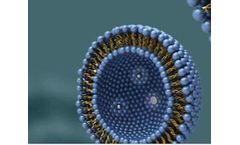
The nanomicelles are stable at physiological pH (about 7.4), while at pH outside cancer cells (about 6.8), the amino group in the carbonyl sulfide is protonated and positively charged, driving the micelles close to and Adsorbs to negatively charged cancer cells and subsequently enters cancer cells. ...

The enzyme activity can be inhibited by heavy metal ions, hydroxylamine, cyanide, carbonyl reagents such as aminourea, and sulfhydryl compounds. Applications 1. ...

Illumination photolysis by exposure to light involves and affects free radicals of many functional groups, such as carbonyl groups, which can lead to oxidation, aggregation, or cleavage of peptide bonds. ...

Covalent binding compounds usually contain electrophilic functional groups in their structures, such as Michael receptors, epoxy, halogen, carbonyl, isocyanine and other structures (Figure 5), which can act as electrophiles, and the two react with each other to form new covalent bonds. ...

Moreover, toxicological studies have highlighted the potential health concerns of ENDS by revealing detectable levels of both heavy metals and carbonyls, such as formaldehyde and acrolein, in the vapor produced by some of the devices (9–11). ...