
Refine by
Catheterization Articles & Analysis
12 articles found
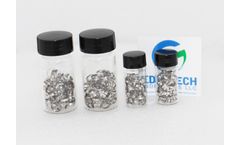
Tantalum marker bands are widely utilized in critical procedures that require precise device navigation, including cardiac catheterizations, neurovascular interventions, and endovascular surgeries. ...

Different bladder management options available include clean intermittent catheterization (CIC), supra public catheterization, indwelling catheterization, use of external condom catheter for men, timed voiding etc. ...

As such, the diagnostic gold standard is cardiac catheterization showing increased LV filling pressures.[16] Exercise and invasive testing The diagnostic conundrum in these patients has led to the introduction of invasive stress methods to evaluate HFpEF, where cardiac filling pressures are alleviated exclusively during hemodynamic exercise testing. [17-21] This testing ...
If the diagnosis remains uncertain after testing, an exercise stress test may be useful for unmasking heart failure symptoms in patients with HFpEF and help with classification. Cardiac catheterization or coronary angiography may also be performed if more information is needed after noninvasive ...

In a preclinical model of heart failure, 12 to 18 hours of intermittent SVC occlusion failed to induce any neurological or vascular injury.68 In a recent proof of concept clinical study, temporary occlusion of the SVC during right heart catheterization in 8 patients admitted with ADHF significantly decreased CVP and pulmonary capillary wedge pressure without compromising arterial ...

The following day he was brought to the cardiac catheterization lab where he underwent a balloon dilation of the pulmonary valve. During the catheterization, ventilation became problematic, resulting in pH of 7.10 and PaCO2 88-95 for the duration of the procedure. Additionally, the procedure was complicated by multiple runs of tachycardia, and hypotension. ...

Generally, the earlier a patient with STEMI arrives in the catheterization laboratory, the better the outcome8,9. Out-of-hospital emergency services and hospitals have been reorganized to shorten the time from first contact with a patient with STEMI to the time that the coronary artery is opened, and myocardial reperfusion is secured8-10. ...

SETTING: Single institution; cardiac catheterization laboratory, and operating room. PATIENTS: Fifty patients weighing 3-20 kg with baseline saturations less than 90% undergoing surgical or catheterization procedure. ...

A number of cardiac tests may be used to make a diagnosis, including non-invasive methods such as X-ray, magnetic resonance imaging (MRI), echocardiograms (EKG), electrocardiogram (ECG) and genetic testing, or minimally invasive procedures, such as cardiac catheterization. Learn more about these diagnostic methods via the Children’s Cardiomyopathy Foundation. ...
Click the links below to learn more about a specific condition: Atrial Septal Defect (ASD) Aortic Valve Stenosis (AVS) Coarctation of the Aorta (CoA) Complete Atrioventricular Canal defect (CAVC) d-Transposition of the Great Arteries Ebstein’s Anomaly Hypoplastic Left Heart Syndrome Interrupted Aortic Arch I-Transposition of the Great Arteries Patent Ductus Arteriosus (PDA) ...

Although some menu items are directly related to the condition e.g., difficulty with catheterization, others are indirectly related e.g., embarrassment and low self—esteem. ...

Several studies have revealed that interventional radiography procedures performed in cardiology departments are high dose techniques. In this study, effective dose of cardiologists working in hospitals Catheterisation Laboratories (CATHLABs) in Mashhad city have been measured during Coronary Angiography (CA) and Percutaneous Transluminal Coronary Angioplasty (PTCA) procedures. In order to ...