
Refine by
Clinical Practice Articles & Analysis: This-Year
5 articles found
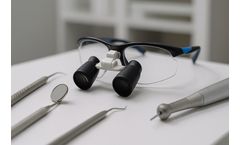
This shared principle—maximum power, control, and precision with the hands near the body’s core—applies to clinical ergonomics as well.Why the “Power Pocket” Matters in Clinical PracticeWhen clinicians work with their hands positioned far from their body, several effects occur:Shoulder and neck muscles must work harder to stabilize the armsPosture often ...
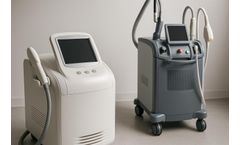
These devices are often optimized for high-volume, standardized treatments where depth of capability in a single area outweighs breadth across multiple modalities. Modular Platforms: Clinical and Operational Advantages Scalable treatment portfolios: Practices can expand service menus without replacing infrastructure. ...
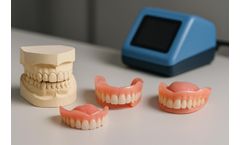
Better digital outcomes start with sound clinical decision-making, enabling faster, cleaner, and more predictable workflows. ...

Patients often achieve substantial weight loss but report unexpected changes in facial skin, prompting demand for aesthetic interventions to support their journey.In clinical practice, providers describe a common sentiment: weight loss is welcome, but the face can look older. ...

Why Routine Inspection, Cleaning/Disinfection, Manufacturer Checkups, and Backup Systems Matter Summary Dental and surgical loupes are not just magnification devices; they are clinical tools that impact infection control, visual performance, precision, and clinician posture. As a wearable device used in patient care environments, dental and surgical loupes are exposed to aerosols, spatters, ...