
Refine by
Clinical Safety Articles & Analysis
39 articles found
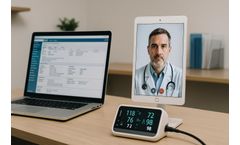
This approach eliminates screen switching and supports a continuous, workflow-aligned experience.Interoperability and data integrityThe integration uses HL7 and FHIR standards to structure, transfer, and place captured data into the correct location within the patient record, supporting clinical safety and alignment with digital health funding models and ...
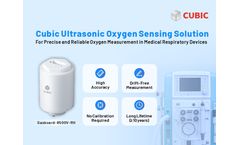
In applications such as ventilators and infant incubators, oxygen concentration measurement directly supports oxygen delivery control, alarm management, and safe operation during continuous use.To support dependable system performance and long-term clinical use, oxygen sensors must deliver consistent output, predictable behavior, and stable accuracy throughout continuous ...

However, proper characterization of iPSCs is critical to ensuring their utility and safety in research and clinical settings. Understanding iPSCs The reprogramming process typically involves the introduction of specific transcription factors, such as Oct4, Sox2, Klf4, and c-Myc, into somatic cells. ...

In a notable step forward, Pius et al. present a refined, minimally invasive ovine model of ischaemia–reperfusion–infarction which incorporates implantable defibrillators and addresses many limitations seen in previous approaches, enhancing the safety, reproducibility, and clinical relevance of preclinical cardiac research. ...
This application is fundamental in the development of ophthalmic drugs and ensuring their safety for clinical use. Disease Modeling: The cell line aids in studying pathological conditions such as dry eye syndrome, corneal dystrophies, and infections. ...

The result can be used to guide the screening and development of drugs, and support the evaluation of their safety and the design of clinical drug delivery protocol. Pharmacokinetic characteristics are composed of and determined by drug absorption, distribution, metabolism and excretion. ...
The main risk associated with HCP is immunogenicity and they have the potential to affect the safety and efficacy of a given drug product. HCP is a complex mixture with a variety of physicochemical and immunological properties. Almost all HCPs are foreign proteins with clinical safety risks due to their potential to trigger an immune response in ...

It is designed to be genetically stable, therefore reducing the risk of reversion to a more virulent form and thereby improving overall safety and effectiveness. After rigorous testing and safety assessments, the vaccine received its prequalification by the World Health Organization, a significant endorsement of its potential impact. ...

This process is known as monoclonal antibody products, allowing researchers to induce a renewable source of remedial antibodies for preclinical and clinical disquisition. Before using monoclonal antibodies in clinical trials, they must undergo extensive evaluations to ensure their safety and effectiveness. ...

There are no known biological risks associated with exposure to magnetic fields of the strength used in clinical MRI’s. And though there have been compatibility issues with medical devices, such as pacemakers, the clinical safety of an MRI scan has always been quite high, and newer devices are even improving it. ...

The opioid crisis in the United States is a devastating public health issue, with over 70,000 overdose deaths annually, largely driven by the highly potent synthetic opioid fentanyl. The urgency to address this crisis has spurred the development of innovative therapies to prevent and reverse fentanyl overdoses. In this blog, we will explore the groundbreaking preclinical work on CSX-1004, a fully ...

Application of flow cytometry in drug development and research FC has a wide range of applications and participates in all aspects of the entire drug development process, including drug development and target confirmation, non-clinical safety and toxicity evaluation, and clinical research. 1. ...
Before a new drug candidate can progress to clinical trials and ultimately reach the market, it needs to undergo rigorous testing in various model systems to assess its efficacy and safety. ...

DSTP3086S, a humanized IgG1 anti-steap1 monoclonal antibody related to MMAE, demonstrated safety and significant antitumor activity in a Phase I trial of 77 mCRPC patients. ...

The Clinical CRISPR Successes Are Stacking Up. But Where’s the Emphasis on Quality Control? ...

A report on the use of the Doraya catheter in 2 patients demonstrated an increase in urine output in patients with initial poor diuretic response following placement of the catheter.69 A first in man clinical study is currently ongoing to assess feasibility, safety, and hemodynamic effects in patients with ADHF.70 Selective (S) Direct intrarenal delivery of ...

With the rising demand for improving patient safety in clinical trials, the adoption of patient-centric solutions is considered the best route to enhance data accuracy and experience automated workflows. ...
ByClinion

Study Overview: Design: Prospective, randomized, open-label, multi-center, international, clinical safety and efficacy investigation. Randomization: Treatment with AccuCinch System plus guideline-directed medical therapy (GDMT) or GDMT alone. ...

By engaging CD16-positive NK cells, AFM13 leads to NK cell-mediated killing of tumor cells.1 Pembrolizumab (Keytruda®) is approved in patients with R/R classical Hodgkin lymphoma as monotherapy. AFM13 showed single agent clinical activity with solid safety profile in a Phase 1 study2. Pre-clinical in vivo data of the combination of AFM13 with ...

Following his successes in CRM, Brian held roles as General Manager and Senior Vice President for Veeva’s Clinical Data Management (EDC) and Safety product lines, where he oversaw the organisation’s internal operations and drove global market engagement for the new business units he instituted, laying the foundation for their strategy, sales, products ...
ByLifebit