
Cosmetic Ingredients Articles & Analysis
11 articles found

Introduction Cosmetic products have become an integral part of our daily lives, enhancing our natural beauty and boosting our self-confidence. Behind every cosmetic product lies a complex formulation consisting of various ingredients. Among these ingredients, flavoring agents, buffers, plasticizers, and fragrance agents play crucial roles in enhancing the user experience and improving the overall ...

The cosmetics and skincare industry is constantly evolving and a recent trend that has emerged is the use of fermented ingredients in skincare products. Fermentation is a microbial metabolic process that has been used for centuries in food and beverage production, and now it has been extended to the cosmetic industry.What are Fermented Raw Materials?Fermented raw materials are natural ingredients ...
Cosmetics are an essential part of our daily routine, helping us look and feel our best. However, have you ever wondered what goes into these magical potions that make them so effective? Cosmetic ingredients play a crucial role in determining the quality and effectiveness of the product. From surfactants to moisturizers, each element has its unique function and benefits. In this article, we will ...

What is Cocklebur? Xanthium strumarium is a flowering plant belonging to the Asteraceae family. It is an annual herb known for its rough, oval spines covered in hooked spines. These burrs easily attach to clothing, fur, and feathers, allowing the plant's seeds to disperse over long distances. It is considered a noxious weed in some areas due to its toxicity and impact on agriculture. The seeds ...
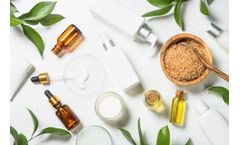
It is well understood that the Earth’s resources are finite and in recent years consumers have become more environmentally conscious. This has driven the demand for cosmetics and beauty products to be as natural as possible but without having a negative impact on the planet. As a result of this, biotechnology has seen a surge in popularity within the beauty industry, driven by its sustainable ...
The composition of cosmetics is very complex and varies with different types. Most cosmetics are processed from the cosmetic matrix (base) plus some other necessary ingredients (additives). Cosmetic substrates are the basic raw materials of cosmetics. They are mainly oily raw materials, including oils, waxes, hydrocarbons, and higher fatty acids and higher alcohols that make up these ...

Liposomes have a phospholipid bilayer structure similar to cell membranes. Liposomes are closed ultramicrospheres, similar to an organelle-free artificial cell (only with cell membranes). The artificially manufactured liposome structure is also very similar to the exosomes and vesicles existing in nature. It is precisely due to this property similar to biofilm that it can be used as an efficient, ...

A contract sterilization service uses a single-stage scrubber to convert this hazardous gas to inert ethylene glycol. ETO Sterilization Inc. provides contract sterilization services for hundreds of northern New Jersey customers, concentrating on spices and herbs, cosmetic ingredients and medical supplies. Two of the largest ethylene oxide sterilization vessels in the world are in operation at ...

The European Commission (EC) invites scientists to apply for membership in its non-food scientific committees, the Scientific Committee on Consumer Safety (SCCS) and Scientific Committee on Health, Environmental and Emerging Risks (SCHEER). SCCS and SCHEER provide the EC with “high quality and independent risk assessment and scientific advice in the areas of public health, consumer safety ...
On March 24, 2015, the European Commission (EC) announced a call for data on the ingredient “colloidal silver (nano).” According to the EC, it has received notification of several cosmetics products containing the ingredient “colloidal silver (nano)” (CAS No. 7440-22-4). The EC states that although this ingredient is not regulated in the cosmetics regulation, it is ...

Nanobiotechnology refers to the ability to create and manipulate biological and bio-chemical materials, devices, and systems at atomic and molecular levels. Nano delivery systems hold great potential to overcome some of the obstacles in bio-pharmaceutical production, such as water soluble/insoluble pharmaceutical drugs and cosmetic ingredients, risks of toxicity, increasing bio-active efficacy, ...