
Diabetes Treatment Articles & Analysis
24 articles found

Anti-Tumor APIs: Pioneering Cancer Treatment Anti-tumor Active Pharmaceutical Ingredients (APIs) are vital in today's medical landscape, addressing one of the most pressing health challenges: cancer. ...

These differences may lead to different susceptibilities to diseases, drug responses, and treatment effects. With this technology, doctors can more accurately assess the disease status of patients, predict the trend of disease progression, and formulate more personalized treatment plans, improve treatment effects and reduce side effects.1. ...

In medicine, understanding carbohydrate synthesis is essential for developing treatments for diseases such as diabetes and cancer. In biotechnology, carbohydrate synthesis is used to produce valuable compounds, such as antibiotics and vaccines. ...

The complexity and diversity of these conditions necessitate the development of detailed medical models for a comprehensive understanding of the diseases. Over time, Type 1 and Type 2 Diabetes Mellitus Models, Metabolic Disease Models, and generalized Diabetes Models have become integral to diabetes research and treatment ...

The most common forms of diabetes are type 1 diabetes and type 2 diabetes. Type 1 diabetes (once known as insulin-dependent diabetes or juvenile onset diabetes) is characterized by insufficient insulin production and the need for daily insulin intakes, and it is unclear what causes it. ...
Metformin is a classic first-line hypoglycemic agent for patients with type 2 diabetes, and is an essential drug in combination regimenes. However, as the evidence is updated, the idea of drug selection for first-line treatment is changing. ...

Although it can’t completely replace in-person treatment, remote patient monitoring can undoubtedly reduce the load on both patients and healthcare providers. ...

Liraglutide and exenatide are both belonging to the class of diabetes products called GLP-1 analogues. The GLP-1 analogues have established themselves in the past years as one of the superior drug classes for treatment of diabetes type II in terms of blood glucose lowering and weight loss. Because of the latter, they are being used more and more ...
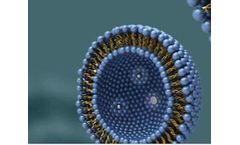
At low pH (about 5.0) in cancer cells, the pH-sensitive imine benzoate is cleaved, and the genistein-loaded nanomicelles are destroyed to release genistein for the purpose of cancer treatment, and reduce unnecessary loss of drugs during transport. In addition, there are temperature-sensitive drug carriers, light-sensitive drug carriers, glucose-sensitive drug carriers, and the ...

Patient History Patient is a 40-year-old female with a history of type 2 diabetes. Patient presented to the Emergency Room with a diabetic foot ulcer and infection. ...

What is diabetic neuropathy? The most common complication of diabetes is neuropathy, which is nerve damagecaused by high blood sugar. Most neuropathy affects the legs, hands and feet and usually presents as numbness, pain or tingling. Diabetic neuropathy can also seriously impact the heart, blood vessels, digestive system and the kidneys. Symptoms can range from mild discomfort to extreme pain. ...

Abstract Transplantation of pancreatic islets has been shown to be effective, in some patients, for the long-term treatment of type 1 diabetes. However, transplantation of islets into either the portal vein or the subcutaneous space can be limited by insufficient oxygen transfer, leading to islet loss. ...

Patient: 65 year old Caucasian male with non-healing diabetic wound on his foot Age of Wound: Greater than 4 years Previous Therapy: 5 months of NPWT Treatment: OxyGeni® set at 3 ml/hr Days on Service: 81 days Outcome: Goals met. ...
Every year, surgeons perform a lower-limb amputation due specifically to diabetes on approximately 73,000 patients in the US alone. Annually there are over 1 million limb amputations worldwide. Most of these amputations are performed for the treatment of non-healing diabetic foot ulcers that resulted from PAD (Peripheral Arterial Disease). ...

Lifestyle can have a big impact on how your body handles blood glucose and sometimes a change in habits and activities is all that’s needed to prevent or better manage diabetes. But if changes in lifestyle aren’t enough to keep blood sugar levels normal, your doctor may prescribe medication to help lower insulin levels or insulin therapy. We’ll discuss here the most often ...

A successful example is the DPP4 inhibitors (for example saxagliptin and vildagliptin) for the treatment of diabetes mellitus type 2. In addition, there is Odancate, which is used for the treatment of osteoporosis in postmenopausal women. ...

And as the management of diabetes continues to be an important part of our society, with one in ten people now living with diabetes and requiring support to safely manage the disease, it is more important than ever. ...

Although islet transplants have the potential to be widely successful in the treatment of type 1 diabetes and their limitations are being addressed by current research, they are still not necessarily suitable for all type 1 diabetics (for example those requiring larger quantities of insulin each day or those who are overweight[3]) and the lack of ...

Origin is in preliminary discussions with clinical trial sites in Hong Kong and China in relation to clinical trials of its IonojetTM technology for the treatment of diabetic foot ulcers (DFU). It is anticipated that, if the discussions proceed to fruition, the trials would form part of the dataset required to progress the technology towards a potential future ...

This is a cure. The diabetic pancreas has lost the function of secreting insulin and we give it back. ...