
Drug Absorption Articles & Analysis
25 articles found

One notable application of chemical synthesis is in the development of lipid conjugates used in drug delivery systems. Researchers can design lipids with specific hydrophilicity and hydrophobicity, enhancing the bioavailability and targeting capability of therapeutic agents. ...

In the realm of pharmacology and drug development, the assessment of drug permeability is essential. One of the most widely recognized in vitro models for evaluating the intestinal absorption of compounds is the Caco-2 permeability assay. ...
Importance of the MDCK Permeability Assay Drug absorption in the gastrointestinal tract is a significant factor that influences the efficacy of oral medications. ...
In the realm of pharmaceutical research and development, ADME testing services play a pivotal role in evaluating the pharmacokinetics of drug candidates. ADME stands for Absorption, Distribution, Metabolism, and Excretion, which are critical processes that determine the fate of a drug within the body. ...
When studied in living organisms, this relationship is referred to as in vivo PK/PD, a discipline that provides invaluable insights into drug behavior within a biological context. Pharmacokinetics: The Journey of a Drug The pharmacokinetic profile of a drug describes its absorption, distribution, metabolism, and excretion (ADME) ...
In vitro permeability assay kits play a crucial role in the field of pharmaceutical development, particularly when evaluating the absorption characteristics of drugs. These kits allow scientists and researchers to investigate how compounds permeate biological membranes, which is vital for understanding drug bioavailability. ...
Ensuring the purity, concentration and conformational stability of the drug is crucial, which not only relates to the efficacy of the drug, but also affects its safety.Ultraviolet spectroscopy technique is based on the absorption characteristics of antibody proteins to specific wavelengths of ultraviolet light, and can provide rapid and ...
Pharmacokinetics (PK) and Toxicokinetics (TK) studies are virtues of a broader scientific discipline called pharmacology. PK focuses on the journey of drugs through the body, revealing the trajectory of drug absorption, distribution, metabolism, and excretion, collectively known as ADMET. ...

The result can be used to guide the screening and development of drugs, and support the evaluation of their safety and the design of clinical drug delivery protocol. Pharmacokinetic characteristics are composed of and determined by drug absorption, distribution, metabolism and excretion. The structure, physiological properties ...

Transdermal drug delivery system is a type of drug formulation that is absorbed into the body circulation through capillaries at a certain rate through the skin to produce drug effects. Transdermal drug delivery systems allow the drug to continuously diffuse through the skin, penetrate and absorb into the blood ...
The selection of hyaluronic acid, which improves the swelling capacity of the prescription and increases the speed of drug release and transdermal absorption efficiency. The use of hydrophobic mold material to prepare microneedles maintains the integrity of the needle shape and the uniformity of drug loading. Full analytical testing of ...
Over the years, several innovative drug delivery systems have been developed to improve drug efficacy and patient outcomes. ...
These systems rely on various excipients, which are inactive substances that aid in the delivery and absorption of active drug compounds through the skin. In this article, we will discuss eight important excipients commonly used in transdermal drug delivery systems, their properties, and their roles in enhancing drug ...
Nano-vesicles, also known as liposomes, have emerged as promising drug delivery systems due to their unique structure and properties. These tiny spherical lipid bilayers can encapsulate various therapeutic agents, including protein drugs. ...
Firstly, they provide information on drug absorption, distribution, metabolism, and elimination, which are crucial for determining appropriate dosages and treatment regimens in humans. ...

The large molecular weight is considered by experts to be the first problem in the development of PROTAC drugs. According to the 'Five Rules of Drug-like', the molecular weight of small-molecule drugs should be below 500 Daltons, but the molecular weight of PROTACs is mostly above 700 Daltons, and the large molecular weight leads to low membrane ...
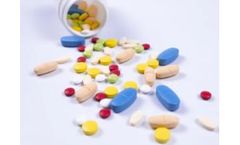
The compatibility of the main drug and the excipients should be studied. When screening and researching drugs with new chemical structures, attention should be paid to the investigation of the interaction between the main drug and the excipients. The excipients should have stable properties with no physiological activity, no influence on the ...
Research Scope on Drug Stability Analysis Chemical stability refers to changes in drug content (or potency) due to chemical reactions such as hydrolysis and oxidation. ...
This type of pharmaceutical preparations have a common feature, that is, after oral absorption, the drug will enter the body's circulation. By using specific pharmaceutical technology, dextran and certain drugs can be combined through dextran covalent bonding, which have stronger lymphatic circulation tropism than those made with excipients of ...
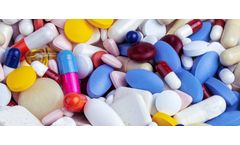
This type of pharmaceutical preparations have a common feature, that is, after oral absorption, the drug will enter the body's circulation. By using specific pharmaceutical technology, dextran and certain drugs can be combined through dextran covalent bonding, which have stronger lymphatic circulation tropism than those made with excipients of ...