
Drug Delivery And Therapeutic Research Articles & Analysis
10 articles found

One notable application of chemical synthesis is in the development of lipid conjugates used in drug delivery systems. Researchers can design lipids with specific hydrophilicity and hydrophobicity, enhancing the bioavailability and targeting capability of therapeutic agents. ...

Introduction to Bioglass Bioglass, also known as bioactive glass, is a type of synthetic material that has revolutionized the fields of medicine and dentistry. First developed in the late 1960s by Dr. Larry Hench and his team at the University of Florida, Bioglass is a glass-ceramic material that has the unique ability to bond with living tissue. This property, known as bioactivity, makes it an ...
ByMatexcel

This understanding has propelled research into therapeutic strategies aimed at enhancing repair mechanisms and developing stem cell therapies. ...

In the ever-evolving world of pharmaceutical development, the quest to innovate and improve the delivery of drug substances remains a top priority. Among the many formulation strategies, oral liquid formulations hold a special place, offering alternatives particularly appealing for specific populations and addressing unique formulation challenges. ...

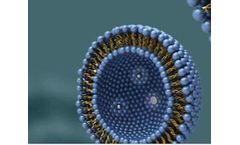
Liposomes, spherical vesicles composed of one or more phospholipid bilayers, have garnered significant attention in the field of drug delivery due to their unique properties. These nanocarriers offer a promising approach to overcome challenges associated with traditional drug administration, enhancing therapeutic efficacy while ...

Dendrimers are highly branched polymers with a three-dimensional structure. They are characterized by expansive functional groups on their surface, which can be tailored to interact with specific molecules or to be used in a variety of applications. Dendrimers have attracted much attention in drug delivery, imaging, and materials science due to their unique structure, high monodispersity, and ...

Micelles refer to molecularly ordered aggregates that begin to form in large quantities after the surfactant concentration reaches a certain value in an aqueous solution. In micelles, the hydrophobic groups of surfactant molecules aggregate to form the core of the micelle, and the hydrophilic polar groups form the outer layer of the micelle. Liposomes are an artificial membrane. In the water, the ...
These aren't fireflies, they're fluorescent liposomes, a cutting-edge tool in the world of drug delivery and biomedical research. What are liposomes? Liposomes are microscopic bubbles made from phospholipids, the same fatty molecules that make up cell membranes. ...
In 1998, Henry et al. of Georgia Institute of Technology in the United States applied microneedles to transdermal drug delivery research for the first time, making microneedle technology enter the formal drug delivery field and triggering an upsurge in the development of microneedle materials until finally ...
Chitin is the second largest natural polymer after cellulose, and it exists widely in nature, such as shells of crustaceans such as shrimps, crabs, insects, and cell walls of fungi. Although chitin has good biocompatibility and biodegradability, its poor solubility limits its practicality in the field of biomedicine. The product of chitin deacetylation is chitosan. Chitosan is structurally ...