
Refine by
Drug Toxicity Articles & Analysis
51 articles found
Application Case: A study encapsulated doxorubicin with PEG-stabilized LNDs. They discovered that drug distribution to the heart, liver, and spleen was significantly reduced, which would greatly reduce toxicity. ...

Conversely, low metabolic stability can lead to rapid clearance from the system, necessitating modifications in the chemical structure to enhance the drug’s longevity. Moreover, S9 assays help in predicting drug-drug interactions. ...
This diversity allows for the metabolism of a wide range of compounds, influencing the pharmacological effects and toxicity of drugs. Role in Drug Metabolism The role of cytochrome P450 in drug metabolism is two-fold: it can either detoxify drugs or convert them into active metabolites. ...

Antibody-Drug Conjugates (ADCs) represent a groundbreaking advancement in targeted cancer therapy, combining the specificity of antibodies with the potency of cytotoxic drugs. ...
Creative Bioarray establishes itself as a world leader in life science innovation through its complete range of organoid services that enhance drug discovery, disease modeling, and personalized medicine. Our advanced system delivers high-quality, reproducible organoids to researchers, enabling significant advancements in their scientific work. ...
For instance, larger animals such as dogs or pigs are often preferred in the study of cardiology, while zebrafish provide a rapid assessment of pharmacokinetics and toxicity. Phases of Drug Screening Drug screening typically unfolds in several key phases: Preclinical Testing: Before any drug can enter human trials, it undergoes ...
Disease MechanismsStudy changes in oxidative phosphorylation in various diseases (such as neurodegenerative diseases, cancer).3. Drug Screening and Toxicity TestingEvaluate the impact of drugs on mitochondrial function.Precautions1. ...
Pharmacokinetic studies serve as the foundation for understanding the drug's bioavailability – the degree and rate at which an administered drug reaches the systemic circulation. ...

To give systematic research support, Alfa Cytology also provides pancreatic cancer drug development services. These services involve the development of various drugs (e.g., small molecule drugs and peptide drugs) and typically include multiple processes, such as discovery, optimization, evaluation, and safety assessment. Complete ...

Antibody-drug conjugates (ADCs) represent a rapidly developing field within pharmaceutical biotechnology. ...
The cells can be used as model systems in phenotypic and drug screening, high content analysis, target identification, drug development, toxicology testing, gene editing studies, reporter assays. ...
One of the first steps in drug development and toxicity testing is creating cell models on which to evaluate the effects of chemical compounds on cellular, molecular and biochemical processes of interests. ...
It has been approved by the U.S. Food and Drug Administration It is certified by the Food and Drug Administration (FDA) and is a copolymer material available on the market. ...
In order to more effectively deliver chemotherapy drugs, Small Molecule Drug Conjugates (SMDC), Antibody Drug Conjugates (ADC), and Degradation Antibody Conjugates (DAC) have been successively explored and developed, enhancing the therapeutic index while providing selective delivery. ...

In this article, we will explore different types of nanoparticle development that are revolutionizing drug delivery systems. Polymer Nanoparticles for Drug Delivery Polymer nanoparticles are a popular choice for drug delivery systems due to their biocompatibility and versatility. ...
Hepatocytes are the chief functional cells of the liver, responsible for the selective uptake, metabolism and excretion of most drugs. Cells for use in plate cultures or suspension assays represent a key tool for predicting properties such as hepatotoxicity, metabolism, and potential drug-drug interactions. Since these cells mimic the properties ...
The most reliable way to detect HP is to use this non-invasive 13C-UBT method, which can infer H. pylori in the stomach by detecting the 13C/12C isotope ratio in the exhaled gas after oral administration of 13C-urea. Drug Metabolism Study The study of drug metabolism in the body is a very critical process for the development of new drugs, and the ...
Antibody drug conjugates (ADCs) are a new class of biopharmaceuticals that use monoclonal antibodies to target tumor cells to deliver potent cytotoxic drugs. ...
The actual dose of drug delivered by the ADC to the tumor is very small, which means that the drug molecule must be extremely cytotoxic, although this may cause toxic side effects. ...
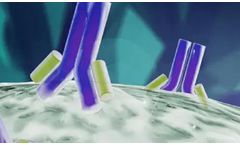
Application of flow cytometry in drug development and research FC has a wide range of applications and participates in all aspects of the entire drug development process, including drug development and target confirmation, non-clinical safety and toxicity evaluation, and clinical research. 1. ...