
Electrographic Flow System Articles & Analysis
10 articles found

Cytokines are a diverse group of small protein molecules that play crucial roles in the immune system and various biological processes. They are synthesized and secreted by a range of immune cells, including monocytes, macrophages, T cells, B cells, and natural killer (NK) cells, as well as certain non-immune cells like endothelial cells, epidermal cells, and fibroblasts. Cytokines are produced ...

GMP growth factors and cytokines designed for therapeutic manufacturing are an essential component of defined media. To date, the cell therapy industry has accepted GMP terms for this reagent class, despite the fact that there is no direct oversight by regulators. These proteins are intended for use in further manufacturing processes and do not come into direct contact with patients. In fact, ...
Cytokines represent a class of small protein molecules that exhibit diverse biological activities. These molecules are synthesized and secreted primarily by immune cells (including monocytes, macrophages, T cells, B cells, and NK cells) as well as certain non-immune cells (such as endothelial cells, epidermal cells, and fibroblasts) upon specific stimulation. Cytokines play pivotal roles in ...
GMP growth factors and cytokines designed for therapeutic manufacturing are essential components of defined media. To date, the cell therapy industry has accepted GMP terms for this reagent class, despite the fact that there is no direct oversight by regulators. These proteins are intended for use in further manufacturing processes and do not come into direct contact with patients. In fact, cell ...
Cytokines are classified according to their different roles in the inflammatory response: pro-inflammatory cytokines and anti-inflammatory cytokines. Pro-inflammatory Cytokines Interleukin-1 (IL-1) IL-1 is a proinflammatory cytokine that activates a variety of immune and inflammatory cells and is secreted mainly by monocytes/macrophages, neutrophils and endothelial cells. IL-1 consists of two ...
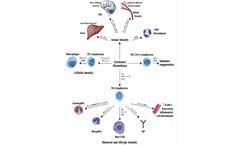
Cytokines are a class of small molecule proteins secreted by cells that mediate and regulate immune processes, and they act in an autocrine, paracrine and endocrine manner. More than 200 types of human cytokines have been identified, which can be generally classified into interleukins, interferons, tumor necrosis factors, colony-stimulating factors, chemokines, growth factors, etc. according to ...

Today, there are only a few therapies approved to treat COVID-19, but while novel therapies can take decades and billions of dollars to develop, are there opportunities to repurpose existing drugs for new therapies? Our latest whitepaper showcases how CAS Knowledge Graphs reveal new connections and insights that identify drugs to potentially repurpose. Drug repurposing is critical for faster ...

Abstract Intervention with drugs to reduce Low Density Lipoprotein-cholesterol (LDL-C) has proven to decrease the risk of subsequent cardiovascular events, including mortality. Our goal is to develop novel, small molecule, LDL-C lowering drugs by targeting the Low Density Lipoprotein Receptor (LDLR) degradation pathway, which is modulated by the protease proprotein convertase subtilisin-like ...
Abstract Protease proprotein convertase subtilisin-like kexin type 9 (PCSK9) is an important target for the treatment of hypercholesterolemia. PCSK9 is synthesized as a zymogen that undergoes autocatalytic processing and secretion. Secreted PCSK9 binds to the LDL-receptor (LDLR) and chaperones it to the degradation pathway. Several pharmaceutical companies have developed injectable mAb PCSK9 ...

Exposure of phosphatidylserine (PS) on the cell surface occurs early during apoptosis and serves as a recognition signal for phagocytes. Clearance of apoptotic cells by a membrane PS receptor is one of the critical anti-inflammatory functions of macrophages. However, the PS binding receptors and their recognition mechanisms have not been fully investigated. Recently, we reported that stabilin-2 ...