
Ethanol Articles & Analysis
30 articles found
Researchers are exploring ways to produce biofuels from carbohydrates, such as ethanol from corn or sugarcane. By understanding the enzymatic pathways involved in carbohydrate synthesis, scientists can optimize the production of biofuels and reduce our dependence on fossil fuels. ...

PEG Properties PEG earns its fame because of its high structure flexibility, biocompatibility, amphiphilicity, devoid of any steric hindrances, and high hydration capacity. PEG is soluble in water, ethanol and many other organic solvents, like DMF, dichloromethane, toluene, acetonitrile, acrylonitrile, etc. . ...
Genetic Engineering By changing the genetic makeup of the yeast to add or remove particular genes, this technique has been used to increase the production of ethanol, lactic acid, and other metabolites. The following steps are included in the genetic engineering process: Target Gene Identification: The first step is to locate the genes that are responsible for the desired ...

It is colorless and odorless and soluble in water and ethanol. 1.5 Essential oil Essential oil is volatile and are oily liquis that can be distilled off with water vapor, most of which have aroma. 2 Main plant extract products 2.1 Ginseng essential oil: It has functions such as promoting skin function, increasing skin vitality and protecting skin. ...
PEG Properties PEG earns its fame because of its high structure flexibility, biocompatibility, amphiphilicity, devoid of any steric hindrances, and high hydration capacity. PEG is soluble in water, ethanol and many other organic solvents, like DMF, dichloromethane, toluene, acetonitrile, acrylonitrile, etc. . ...

Hepatocytes increase GGT synthesis under the chemical stimulation of ethanol. 2 Significance of diagnostic enzyme testing The determination of enzyme concentration in serum and other body fluids can provide clinicians with extremely diagnostic data. ...
For example, the use of cellulose, hemicellulose, lignin, starch and other raw materials in the wastes of plants, crops, and forestry products to produce gas fuels such as hydrogen and methane and liquid fuels such as ethanol and methanol. In addition, the development of petroleum resources is a problem. ...
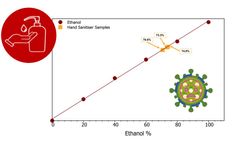
To create the calibration curve spectra were taken under the same conditions for ethanol with varying volume percentages: 20%, 40%, 60%, 80%, and 100%. The area of the 880 cm-1 peak behaves linearly with increasing ethanol percent and therefore a straight line can be plotted, Figure 3(b). ...
Factors Affecting Restriction Endonuclease Activity (1) DNA purity: Impurities in DNA such as protein, phenol, chloroform, ethanol, SDS, EDTA, etc. will affect the activity of the enzyme, which is generally improved by purifying DNA, increasing the amount of enzyme, prolonging the incubation time and expanding the reaction system. (2) Degree of DNA methylation: ...
In humans and mammals, alcohol dehydrogenase and aldehyde dehydrogenase (ALDH) constitute the alcohol dehydrogenase system, which is involved in ethanol metabolism in vivo and is an important metabolic enzyme in humans and animals. ...

In addition, during the preparation process, ethanol is used as a solvent for many insoluble drugs. However, ethanol may induce burning and pain during the medication process, and if the application site is close to nerve tissue, it may also cause nerve damage. For example, when cephalosporin antibiotics are used, if they are combined with drugs containing ...

In addition, intermediate products of microbial fermentation such as lactic acid or ethanol can also be metabolized into SCFAs. in addition to intestinal fermentation, cellular metabolism, especially fatty acid oxidation, can also produce SCFAs. ...
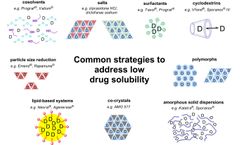
mixed solvent method: add a certain proportion of organic solvents (ethanol, glycerol, ethylene glycol, polyethylene glycol, etc.) to the aqueous solution to maximize the solubility of the drug; ...
Mechanistic study that optimizes fermentation conditions Ethanol yield during fermentation is very important for the efficiency of fuel alcohol, wine, and other alcoholic beverages production. An increase in ethanol concentration slows down the conversion of sugars to ethanol. Lipidomics analysis on industrial Saccharomyces cerevisiae of ...
For example, the use of raw materials such as cellulose, hemicellulose, lignin, and starch in plant, agricultural crops, and forestry product wastes to produce gaseous fuels such as hydrogen and methane, and liquid fuels such as ethanol and ...
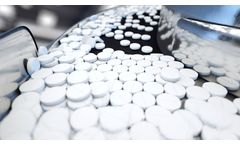
Lipids, which are soluble in organic solvents such as ethanol, isopropyl alcohol, acetone, and benzene, are purified and refined to be used as fillers, binders, lubricants, solubilizers, emulsifiers, and emollients in a variety of delivery forms, including tablets, capsules, suppositories, emulsions, ointments, creams, and lotions. ...
The sugar content of the sap is then transformed into ethanol through fermentation. Comparing the yield of each of these sources of ethanol is very interesting. ...
Hepatocytes increase GGT synthesis under the chemical stimulation of ethanol. 2 Significance of diagnostic enzyme testing The determination of enzyme concentration in serum and other body fluids can provide clinicians with extremely diagnostic data. ...

Gut dysbiosis has been associated with a decrease in beneficial short-chain fatty acid (SCFA)-producing bacteria, changes in the composition of bile acids6, activation of immune responses against lipopolysaccharide (LPS)7, increased ethanol production by overgrowth of ethanol-producing bacteria8,9, and conversion of phosphatidylcholine to choline and ...

Chemical-resistant labels can withstand long-term exposure to most disinfectants, including ethanol (up to 100%), isopropanol, and bleach, ensuring they remain affixed to your device and legible, no matter how many times they’re cleaned. ...