
Flow Cytometry Analyzer Articles & Analysis
7 articles found

Stem cell surface markers such as SSEA-3, SSEA-4, TRA-1-60, and TRA-1-81 are routinely analyzed via flow cytometry or immunocytochemistry. Additionally, the expression levels of core pluripotency transcription factors, including Oct4, Nanog, and Sox2, are quantified using techniques like quantitative PCR and Western blotting. ...
Cell Culture Assays: These assays are designed to evaluate cell viability, proliferation rates, and functionality. Flow Cytometry: This technology is employed to analyze cell populations, allowing the identification of surface markers and the assessment of cell purity. ...
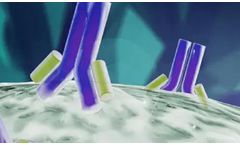
Flow cytometry (FC) is an important tool for analyzing complex pathways and responses of single cells, which can track cell phenotypes and functions in multiple dimensions. ...

After incubation, cell lysates were prepared, and the samples were analyzed by WES™ as described in the “Preparation of cell lysates and WES™ analysis” section. ...
This makes them ideal for detecting diseases at their earliest stages, when they are most treatable. How does nano-flow cytometry work? In nano-flow cytometry (nfCM), a sample of cells or other particles is passed through a laser beam. ...

To dig up clues in the blood, the authors used a technique called flow cytometry. Flow cytometry is a tool that rapidly analyzes the properties of individual cells as they flow through the laser. ...

The relative expression levels of each cytokine or chemokine were calculated using the 2−ΔΔCT method and normalized to the expression levels of hypoxanthine-guanine phosphoribosyltransferase (HPRT), as described previously (Livak and Schmittgen, 2001). Flow Cytometry Analysis in Treg Populations Flow ...