
Refine by
For Targeted Cancer Therapy Articles & Analysis
221 articles found

Fluoropolymers: A Critical Enabler in Cell and Gene Therapies Cell and gene therapies are revolutionizing medicine, offering cures for rare diseases and innovative treatments for cancer. Behind every successful therapy is a precise and sterile manufacturing process—where the choice of materials can make the difference between success and ...

Precise and safe delivery of drugs to target sites has always been an important task for researchers in modern medicine. ...

Surgical intervention remains a cornerstone, often involving lumpectomy or mastectomy depending on tumor size, stage, and patient preferences. Adjuvant therapies may include radiation, chemotherapy, and targeted therapy. The choice of therapy typically hinges on the tumor’s receptor status and specific genetic mutations. ...

Post-transcriptional modifications of RNA molecules include methylation, acetylation deamination, isomerization, glycosylation, thiolation and pseudouracil modification among other types. Methylation represents the predominant post-transcriptional modification found within transfer RNA (tRNA) molecules. tRNA methylation has maintained its evolutionary conservation while also exhibiting dynamic ...

Adenoviruses are a group of viruses that have gained significant attention in recent years, particularly in the fields of gene therapy, vaccine development, and cancer treatment. With their ability to deliver genetic material into cells effectively, adenoviruses serve as valuable vectors in various biomedical applications. ...
The Importance of Kinase Screening Kinases are implicated in a myriad of diseases, particularly cancer, where their dysregulation leads to uncontrolled cell proliferation. Targeting specific kinases has become a promising strategy for developing more effective and selective cancer therapies. ...
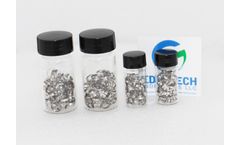
When it comes to interventional procedures, the ability to accurately and precisely target tissue structures has always been a challenge. However, in today's ever-evolving medical landscape, innovation is on the rise – one of which is platinum-iridium, marker bands. Built with advanced technology and customizable features, platinum-iridium marker bands are revolutionizing how physicians ...
Antibody-drug conjugates (ADCs) combine potent small-molecule drugs with monoclonal antibodies for targeted cancer therapy. A major challenge is loading enough drug onto each antibody without compromising solubility or circulation time. ...

Additionally, PEGylation protects proteins from aggregation and denaturation, improving shelf-life. 4. Enhanced Tumor Targeting (Passive Accumulation) In oncology, PEGylated drugs benefit from the Enhanced Permeability and Retention (EPR) effect, where leaky tumor vasculature allows selective accumulation of macromolecules. ...

As a result, current studies are exploring combination therapies that target multiple nodes in the apoptotic network. For example, research from the MD Anderson Cancer Center has shown that dual inhibition of both BCL2 and MCL1 can be effective in preclinical models of multiple myeloma. By targeting both of these anti-apoptotic ...

A single missing fucose residue can enhance antibody-dependent cellular cytotoxicity by 50-fold, revolutionizing cancer immunotherapy approaches. The analytical challenge is immense. ...

Alfa Cytology has introduced its groundbreaking initiative which targets fibroblast activation protein(FAP) for cancer therapies. These solutions focusing on FAP to improve treatment accuracy and deliver customized projects that strive to obtain more comprehensive research results through experiments. The complex nature of ...
Cancer treatment has witnessed transformative advancements over the past few decades, notably with the emergence of CAR-T (Chimeric Antigen Receptor T-cell) therapy. This revolutionary therapy harnesses the body's immune system by genetically engineering T-cells to target and destroy cancer cells. ...
This method is particularly useful in identifying genetic abnormalities associated with cancer, such as gene amplifications, deletions, and translocations, which can play a critical role in the diagnosis and treatment planning of cancer patients. ...
In recent years, the field of antibody drug design has become increasingly significant in the realm of therapeutic development, driven by the need for more effective and targeted treatments for various diseases, including cancer, autoimmune disorders, and infectious diseases. ...
The biological functions of platelets are preserved in platelet micromotors with their ability to target cancer cells and pathogens. Biofuels enable motor-shaped platelet micromotors to achieve directed propulsion. As platelets circulate in the blood the micromotors activate asymmetrical reactions to breakdown urea and ammonia while producing carbon dioxide which ...
In recent years, the fight against cancer has seen significant advances, particularly with the emergence of targeted therapy. ...
Traditional cancer treatments do not possess the necessary precision to target only cancer cells which leads to poor treatment results and harmful side effects. ...
Antibody-Drug Conjugates (ADCs) represent a groundbreaking advancement in targeted cancer therapy, combining the specificity of antibodies with the potency of cytotoxic drugs. ...
Their unique structure allows them to access challenging targets that conventional antibodies cannot, including hidden epitopes and conformational structures on proteins. ...