
Refine by
Hand Arm Articles & Analysis
14 articles found
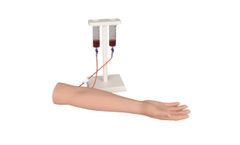
Phlebotomy: Often used interchangeably with venipuncture, phlebotomy specifically refers to the act of drawing blood as part of medical testing or donation.Each technique requires precision, a steady hand, and deep familiarity with anatomy - all of which can be learned through hands-on practice. ...

Following the onset of a stroke, it is common that the hemiparetic arm may experience something called a subluxation or “slipped shoulder”. ...
Not having a fully functional arm and hand after a stroke is not only frustrating but also devastating to many individuals. ...
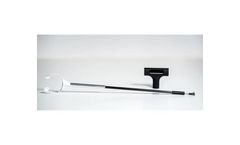
In this article we review some of the different diagnoses that cause paralyzation in arms and hands. Then we assess some of the assistive technologies available, and why our medical device, the TubusOne, can be your new mouse replacement, or serve as a supplement to what you’re already using. ...

An injury to your spinal cord changes your life dramatically. Paralysis in both arms and legs forces you to come to terms with your body that no longer functions like it used to. ...

Before a patient can get fit with their multi-articulating myoelectric hand, it’s vital that their prosthetist conducts a thorough evaluation and understands the cause of amputation or limb loss. This information helps prosthetists understand what a patient’s needs are so they can determine which prosthetic hand is the best fit for them. With this in mind, we’ll discuss the ...

What is CRPS Complex regional pain syndrome, formerly RSD, is a rare but extremely complex and serious pain condition. While it might only affect about 200,000 people in the United States, those who suffer from it experience excruciating pain and often debilitating side effects. There is no cure yet, but there are multiple treatment options offering varying degrees of relief. CRPS can cause ...

The answers to these questions can pinpoint the reason (cause) for your hands are going numb. It’s important to note that ANY numbness in your hands is NOT normal. ...

This protocol allows selection of the following input parameters: Visual system:eyes opened or closed; Proprioceptive system:firm or foam surface; Stance position:comfortable stance, two feet together, tandem, semi-tandem, stand on left or right leg; Upper extremities:arms alongside body, hands on hips, arms crossed on chest or hands behind ...

Today, the technology of prostheses has evolved considerably; in the case of upper extremity devices, robotic multi-dexterous hands, such as Otto Bock’s Michelangelo hand, Touch Bionics’ i-Limb, and Steeper Group’s Bebionic3 (Connolly, 2008; Medynski and Rattray, 2011; Belter et al., 2013), have been commercially available in the last decade. ...
Results— The wrist bracelet averaged 0 to 0.6 hand counts per repetition for the arm-only and hand-only activities and averaged 1 to 2 counts per repetition of the reach-to-grasp activities. ...
This study explores the feasibility of using FMG, with machine learning techniques, for grasp detection in the presence of upper-extremity movements, for individuals with stroke who have arm and hand impairments. As noted, the use of FMG classification for grasp detection continues to be an active area of research in healthy volunteers. ...

Manufacturers are now making lower vibration equipment and tools that transfers less of the vibration to hands and arms. Maintaining equipment in good working order and considering the amount of vibration when replacing tools and equipment can help avoid future injuries. ...
Here’s how you can keep yourself healthy and minimize the risk of catching or spreading a cold, flu or other virus: Wash your hands frequently, using plenty of soap and warm water. Wash for at least 15 seconds, paying attention to your fingertips, the area between your fingers, the bases of your thumbs, the backs of your hands and wrists and your lower ...