
Refine by
Harvesting Articles & Analysis
53 articles found

While upstream cell culture or fermentation focuses on producing the target biomolecule, downstream steps transform crude harvests into highly purified and stable therapeutic products. For biologics such as monoclonal antibodies, recombinant proteins, and viral vectors, downstream processing can account for the majority of production costs, making process optimization both a ...

After euthanizing the BALB/C mouse, the kidneys are harvested and subjected to fixation in formalin, which preserves cellular structures and morphology. ...

Certain microorganisms can accumulate lipid content through fermentation processes, which can then be harvested and purified. This sustainable approach opens avenues for producing lipids with health benefits, such as omega-3 fatty acids. 3. ...

These helper plasmids typically encode proteins that facilitate the production of the viral envelope and structural proteins. Virus Harvesting: After a designated culture period, the supernatant containing the newly formed lentiviral particles is collected. ...
Purification: After amplification, the virus is harvested and purified to remove contaminants and isolate the viral particles. ...
The Frozen Section Technique The process of preparing frozen sections involves several key steps that ensure the preservation of cellular architecture and molecular integrity. Tissue samples are first harvested from the lungs of C57 mice, often following euthanasia in accordance with ethical guidelines. ...
Isolation and Cultivation Isolating hMSCs generally involves the harvesting of tissue, followed by enzymatic digestion to release the cells. ...
However, if parents consent, the cord can be harvested for its valuable cells. This process is ethical and poses no risk to the mother or infant, thus making Wharton’s jelly a readily available source of stem cells. ...
These bacteria are grown in a medium containing a source of carbon, nitrogen and other nutrients and fermented at a controlled temperature and pH to produce HA. HA is harvested and purified through steps such as filtration and dialysis. The resulting purified HA can then be used in cosmetic formulations. ...

Afterwards, the virus inoculum was removed completely, and the cells were washed once with infection medium and then treated with 1 mL per well of different concentrations of zapnometinib in infection medium with 1% dimethyl sulfoxide (DMSO) (Merck Millipore, Burlington, MA, USA) for 24 h at 37°C, 5% CO2. Supernatants were harvested and stored at −80°C for ...

Cell Culture: In cell culture processes, Native Porcine Pancreatin is instrumental for detaching adherent cells. This simplifies cell harvesting and subculturing, contributing to the advancement of biotechnology applications, including cell-based research and biopharmaceutical production. ...
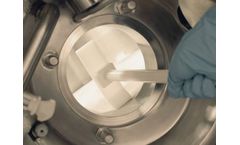
In the pharmaceutical industry, depth filters are used for bioprocessing and cell harvesting as they retain a high quantity of particles without reducing the efficiency of the separation process. ...

Explore how surgeons are using COREX to harvest cancellous bone graft using a minimally invasive ...

Challenges of metatranscriptomic sequencing Although current metatranscriptomic techniques are promising, there are still several obstacles that limit their large-scale application. First, much of harvested RNA comes from ribosomal RNA (rRNA), and its dominating abundance can dramatically reduce the coverage of mRNA, which is the main focus of transcriptomic studies. ...

This procedure replaces the torn ACL with a ligament or tendon harvested from another part of the body or, in some cases, from a deceased donor. ...
This procedure replaces the torn ACL with a ligament or tendon harvested from another part of the body or, in some cases, from a deceased donor. ...
To avoid the drawbacks of osteochondral autograft transfer, a cylindrical osteoperiosteal graft harvested from the iliac crest covered by a same-sized cylinder of hyaluronic acidebased polymer scaffold pretreated with bone marrow aspirate concentrate and transferred to the chondral defect recipient site in the exact size for restoration of the subchondral bone and the articular ...
By breaking down the monosaccharide glucose, living organisms are able to harvest energy released from the bonds. 2) Oligosaccharides Research revealed that oligosaccharides exert great effects on promoting intestinal peristalsis and improving gastrointestinal absorption with a moderate intake. ...
The biopsy needle was drilled through the bone for tissue harvesting using the Teleflex Arrow OnControl system, also under live imaging. ...
Early clinical experience with these vessels, in the arterial position, suggest that they are safe, have acceptable patency, a low incidence of infection, and do not require the harvest of autologous vein or any cells from the recipient. Histologic examination of tissue biopsies revealed vascular remodeling and repopulation by host cells. ...