
Refine by
Healthcare Environment Articles & Analysis
18 articles found
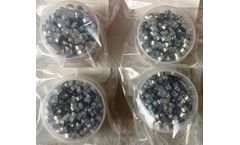
As a critical component in many medical instruments, these small yet highly effective devices ensure that surgeons and healthcare professionals perform accurately in high-stakes environments. ...

In today’s fast-paced healthcare environment, innovation and cost-efficiency are key. For healthcare providers looking to enhance patient care while managing expenses, renting mobile ECG (electrocardiogram) devices offers a compelling solution. This approach not only improves patient access to vital heart monitoring but also provides ...
ByPanonIT

In the face of an urgent global health threat of antimicrobial resistance (AMR), effective biomedical liquid waste management has become more crucial than ...


In today’s healthcare environment, the general consensus is that the exchange and flow of data is crucial and beneficial to developing better care of the patients. Healthcare information exchanges (HIEs), as an example, have shown to be effective in improving public health, reducing healthcare redundancies, and providing ...

The main question will be which one poses the most risk to both patients and staff members in hospitals. Hospital environments require secure as well as 24/7 monitoring in order to maintain drugs, vaccines, blood, tissues, and crucial medical devices and equipment within specified temperatures and humidity. Relative Humidity Explained Within hospitals and other sensitive ...
ByUbiBot

The result is a decrease in the proliferation and cross contamination of pathogens of interest on touch surfaces, walls and other areas of healthcare and other controlled environments. How Pathogens Spread in Hospitals In medical facilities, pathogens can spread through direct and indirect contact. ...

It triggered the response needed for mass change across British healthcare; with new army medical, critical care, sanitary science and statistics departments established. ...

The Problem: When Kevin Kronmiller was 22, he found out he had 5 years to live if he didn't receive a liver transplant. Beating the odds, Kevin made it to 50 before needing a liver transplant. After his surgery, Kevin went into Septic Shock. He found out later from his physicians that he had a 30% chance of survival and even if he did survive, doctors were very concerned about long-term ...

The System was developed by means of working intently with orthopaedic surgeons and the hospital staff to deliver options to the complex challenges of cutting-edge healthcare environment. Improved ergonomics provide surgeons a better, impartial wrist position, and textured areas assist providea firmer grip. A speedy and environment friendly ...

With quality of care and patient satisfaction top of mind for healthcare leaders, many healthcare organizations are realizing they need better processes in place to address the risk of diagnostic errors – and patient engagement must be part of the conversation. ...
The role of risk management in healthcare has come a long way over the years. But as risks to the healthcare industry multiply—both in number and costs—risk management and risk managers need to be at the forefront of the business. If not, healthcare organizations can’t thrive, or potentially even survive. ...

Healthcare organisations operating within highly institutionalised environments are exposed to very intense isomorphic pressures. ...
Bearing in mind the emerging challenges for medical practices in radiology and nuclear medicine, on the one hand, and the implicit limitations of the direct regulation, on the other hand, we will argue that the law can stimulate self-organisation within the healthcare environment and induce the operators on the floor to self-reflective performance, in order to ...
Biotechnological microsystems are now widely encountered in the field of diagnostics, healthcare, life science and environment. This text relates a selection of developments performed at the CEA/LETI, in the Department of Biotechnology and Life Sciences. This selection encompasses digital microfluidic systems for DNA detection and identification, proteomic ...
The continuous introduction of new healthcare technologies, as well as the proliferation of new processes that guarantee better treatment and care of patients, suggests that the pace of the healthcare environment has been accelerating in recent years. Therefore, it is very important to identify and address sources of resistance to change before, ...
Healthcare services available these days deploy high technology to satisfy both internal and external customers by continuously improving various quality parameters. ...
Medical technology organisations are faced with greater performance pressure in the new managed healthcare environment. In particular, pharmaceutical research and development (R&D) organisations are expected to create new and useful therapeutic treatments with greater resource constraints than ever previously experienced. ...