
Hepatitis Liver Articles & Analysis
8 articles found
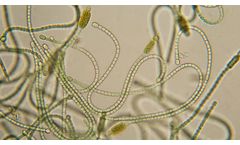
Cyanotoxins are toxic substances produced by cyanobacteria, or blue-green algae, which can proliferate in water bodies under conditions like high nutrient levels and warm temperatures. There are over 1,118 different cyanotoxins identified globally in freshwater environments across 66 countries, illustrating the widespread nature of this ...

Such as acute pancreatitis, serum and urine amylase activity is significantly increased; hepatitis and other causes of liver damage, hepatocyte necrosis or enhanced permeability, a large amount of transaminase is released into the blood, and serum transaminase is elevated; Serum lactate dehydrogenase and phosphocreatine kinase were significantly increased. ...
Such as acute pancreatitis, serum and urine amylase activity were significantly increased. Hepatitis and other causes of liver damage, hepatocyte necrosis or increased permeability, a large amount of transaminase are released into the blood, and serum transaminase is elevated, etc. ...

When Roseburia spp. are administered to ALD murine models, both hepatic steatosis and inflammation significantly improve regardless of bacterial viability. ...

Abdominal ultrasound imaging is a widely available, low cost, point of care procedure that is used in daily clinical practice as the first-line examination to identify liver steatosis in patients with increased liver blood exams or suspected NAFLD. Despite the broad use of abdominal ultrasound imaging, its sensitivity among morbidly obese patients is low, and it ...

Lastly, prevention of SRSF3 degradation in vivo partially protected mice from hepatic steatosis, fibrosis, and inflammation. These results highlight a neddylation-dependent mechanism regulating gene expression in the liver that is disrupted in early metabolic liver disease and may contribute to the progression to NASH, cirrhosis, and ultimately ...

SFA Therapeutics’ CEO Dr Ira Spector presents an overview of the company and its platform technology SFA Overview Presentation on YouTube Introduction to SFA Liver Disease and Oncology Programs. SFA Oncology More information here We received US Patent 10,143,669B2; to prevent Hepatitis B progression to HCC, a liver cancer that affects ...

Publication Summary: Conventional cell therapy and tissue engineering approaches to treating liver diseases and injury are limited by low cell retention, poor engraftment, poor graft durability and complications including portal hypertension. Integration of next generation technologies such as 3D bioprinting is an essential step towards the clinical success of these promising ...