
Human Disease Treatment Articles & Analysis
8 articles found

Disruptions in these controls can lead to uncontrolled cell division, a hallmark of cancer and other diseases. Cell cycle progression is orchestrated by key proteins, including cyclins, cyclin-dependent kinases (CDKs), and tumor suppressors. ...

Recombinant protein drugs refer to protein products that originate from animals and plants and are developed through biotechnology research. These protein drugs exhibit certain biological activity and can prevent, diagnose, and treat diseases in humans, animals, and plants. Compared with small molecular drugs, recombinant protein drugs offer advantages such as high activity, high specificity, and ...
When we talk about antibody sequencing, we often think of issues related to disease treatment and improving human health. Nanobody sequencing provides us with a more precise and efficient solution. ...

Recently developed CRISPR/Cas9-based screening methods have great potential for revealing the mechanisms and treatment strategies of human diseases, but there are still some biological studies that are not suitable for CRISPR knockout screening. ...

Generates a valuable model for identifying new targets for neuro-regeneration as opposed to treatments limiting to symptomatic relief or delaying disease progression. Allows for future adaptation of technology for regenerative medicine and cell therapy in humans for the treatment of Parkinson's disease, ...

Gene editing technology, represented by CRISPR/Cas9, has greatly accelerated the development of gene therapy, bringing hope to many genetic diseases that otherwise had no cure. In June 2021, Intellia Therapeutics' NTLA-2001, a CRISPR gene editing therapy for the treatment of transthyretin amyloidosis (ATTR) invented by Nobel Laureate Jennifer Doudna, was proven ...
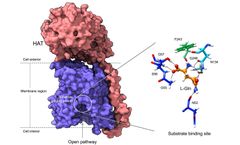
These proteins belonging to the HAT family are essential for life because they transport amino acids to the cell membrane. Although members of the family are nearly identical, they selectively transport certain amino acids. This specificity determines their involvement in specific functions, such as cell growth or neuronal function, and consequently in related diseases, such as cancer or ...

As a natural intercellular substance carrier, they achieve intercellular communication through the transfer and transmission of biomolecules and have been used as natural delivery carriers for drug molecules for the treatment of human diseases, with application potential in the field of intelligent drug delivery. ...