
In Vivo Drug Articles & Analysis
15 articles found

In the realm of pharmacology and drug development, the assessment of drug permeability is essential. One of the most widely recognized in vitro models for evaluating the intestinal absorption of compounds is the Caco-2 permeability assay. ...
When studied in living organisms, this relationship is referred to as in vivo PK/PD, a discipline that provides invaluable insights into drug behavior within a biological context. ...

Precision-Cut Lung Slices (PCLS) have emerged as a innovative ex vivo model that allows researchers to explore deep into lung physiology, disease mechanisms, and pharmacological responses. By offering a unique combination of biological complexity and controlled experimental conditions, PCLS serve as a critical bridge between the limitations of traditional in vitro cell cultures and the ...

This article explores the diverse applications of copper-free click chemistry in biomedical research, highlighting its potential for clickable drug surrogates, labeling cellular membrane lipids and proteins, in vivo imaging, and in vivo drug delivery. ...

Radioactive drug conjugates (RDCs), as a particular form of coupling drugs, are formed by combining radioactive isotopes with disease-targeting molecules. ...
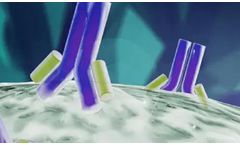
It is also increasingly applied in drug development. FC not only can detect intracellular and extracellular components, but also detect soluble analytes in serum or plasma samples, such as cytokines, drug complexes, or anti-drug antibodies (ADA). ...

Expansion in Therapeutic Applications Stable cell lines that possess inducible expression systems can play a vital role in drug discovery research and in vivo/divitro studies, especially in terms of proteomics and genomics. The regulation and controlled expression of specific genes can aid in screening potential drug molecules and determining ...
Biological Analysis of ADC In order to characterize the PK characteristics of different ADC components, several analytical methods are required: (1) ELISA determines the kinetic curves of the conjugate and total antibody. (2) TFC-MS/MS can quantify the free drugs or metabolites. (3) High-resolution mass spectrometry for in vivo drug antibody ...

Advantages of Liposomes as Drug Delivery Vehicles l As drug delivery vehicles, liposomes have low toxicity and immunogenicity, and the high biocompatibility and biodegradability of their components—phospholipids can increase the in vivo drug concentrations and protect drugs from degradation. l They can be ...

These enzymes can activate, deactivate or reactivate drugs through structural changes in their composition. The direct effect of microorganisms on drug response is that the intestinal flora affects the bioavailability of a drug by altering its chemical structure. ...

Drug development platform, BIOiSIM™, was used to narrow down two different drug classes with distinct modes of action and modalities. ...

Therapies that can interfere with quorum sensing, on the other hand, are expected to fight infections with drug-resistant bacteria. The Wolff Chemical Award press release points out that her work has a wide range of applications for the development of new antimicrobial therapies, or the next generation of antibiotics. ...

Both current in vitro and in vivo models used in the development of candidate therapies for the treatment of intestinal diseases have severe limitations. ...
Prediction of the first-in-human dosing regimens is a critical step in drug development and requires accurate quantitation of drug distribution. ...

Nanoconjugates have matured from simple devices to multifunctional, biodegradable, non–toxic and non–immunogenic constructs, capable of delivering synergistically functioning drugs in vivo. The present study evaluates the efficacy of drug polymer self folding nano–conjugates of pectin–cisplatin to enhance blood circulating levels of cisplatin. ...