
Intestinal Epithelium Articles & Analysis
17 articles found

The increasing application of Lactobacillus species in biotechnology, pharmaceutical sciences, and clinical research has necessitated a more nuanced understanding of strain-specific characteristics and formulation parameters. This is particularly relevant for researchers working with lactobacillus acidophilus powder and selecting appropriate lactobacillus strains for specialized applications. ...

In the realm of pharmacology and drug development, the assessment of drug permeability is essential. One of the most widely recognized in vitro models for evaluating the intestinal absorption of compounds is the Caco-2 permeability assay. This assay plays a pivotal role in understanding how drugs are absorbed in the gastrointestinal tract and aids in predicting their bioavailability. Background ...
In vitro permeability assay kits play a crucial role in the field of pharmaceutical development, particularly when evaluating the absorption characteristics of drugs. These kits allow scientists and researchers to investigate how compounds permeate biological membranes, which is vital for understanding drug bioavailability. Understanding Permeability Permeability refers to the ability of a ...

Trillions of microorganisms live in the gastrointestinal tract, far outnumbering the body's own cells. The intestinal flora is involved in many physiological and pathological processes in the host, including digestion and absorption of food, metabolism of certain nutrients and pharmaceutical compounds, development of host immunity, intestinal inflammatory states, and more. Dysbiosis of the ...

Tumor Necrosis Factor Alpha (TNF-a) is a potent cytokine that is over-expressed by cells during chronic intestinal inflammation. Furthermore, TNF-a represents the most validated clinical target for ulcerative colitis (UC) and inflammatory bowel diseases (IBD) with multiple emerging neutralizing/inflammation-reducing therapeutics targeting this cytokine for inactivation. TNF-a ...
Lactase is a disaccharidase present on the surface of mammalian small intestinal mucosal microvilli, and many beneficial intestinal bacteria have the ability to produce lactase. Lactase deficiency is present in most of the world's population, affecting nearly 2/3 of the world's population. Polylactose is composed of glucose and galactose, these two monosaccharides are easily absorbed by the ...
When we talk about intestinal bacteria or dietary fiber, we often hear about "short-chain fatty acids". So what exactly are short-chain fatty acids? Based on the number of carbon atoms in the carbon chain, fatty acids with less than 6 carbon atoms are commonly referred to as short-chain fatty acids (SCFAs), those with 6 to 12 carbon atoms are called medium-chain fatty acids, and those with 12 or ...
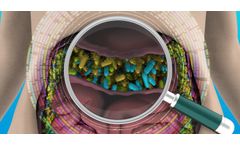
The gut is a complex ecosystem that contains an extremely large community of microbes known as the gut microbiome. The gut microbiome is made up of bacteria, archaea, viruses, fungi, and other eukaryotic microorganisms, including yeasts, flagellates, ciliates, and protozoa. The gut microbiota of a healthy individual consists of six phyla (Firmicutes, Bacteroidetes, Proteobacteria, ...
After first understanding the effects on the intestinal epithelium, other cell types, cytokines, and architecture can be added to make the model more complex. ...
Probiotics are beneficial to the health of the host, and can help inhibit intestinal pathogens, reduce lactose intolerance, and improve constipation. ...
Liver cancer is the fifth most common cancer in the world and the third leading cause of cancer deaths. A healthy diet and lifestyle are the key to preventing various diseases. In recent years, probiotics, as part of a healthy diet, have received increasing attention for their role in cancer prevention and treatment, including liver cancer. Do probiotics have the potential to prevent liver ...
Advanced microphysiological systems can replicate aspects of intestinal complexity, such as epithelium self-renewal by stem cells in in vitro crypts or the interactions of microbes and intestinal epithelium mediated by a mucus layer. ...
Differences in intestinal physiology may cause differences between UC and CD, as the different regions within the small intestine and colon, as well as differences in the two tissues themselves, are vast. ...
There is a growing need to address the high failure rate of drug candidates as they progress through clinical trials. Altis Biosystems aims to bring its technological advances to the forefront, enabling the drug development process to more effectively translate results from preclinical experiments to late-stage clinical trials. Breaking the Conformity of Inadequate Testing Platforms The ...

Abstract We previously generated 32 rotavirus-specific (RV-specific) recombinant monoclonal antibodies (mAbs) derived from B cells isolated from human intestinal resections. Twenty-four of these mAbs were specific for the VP8* fragment of RV VP4, and most (20 of 24) were non-neutralizing when tested in the conventional MA104 cell–based assay. We reexamined the ability of these mAbs to ...

Application of phytohemagglutinin (PHA) in weaning feed has been suggested to stimulate intestinal epithelium maturation. In this study, PHA strongly affected the fecal bacterial population structure of rats. ...
This study presents the complete genome sequence of Lactobacillus gasseri ATCC 33323, a neotype strain of human origin and a native species found commonly in the gastrointestinal tracts of neonates and adults. The plasmid-free genome was 1,894,360 bp in size and predicted to encode 1,810 genes. The GC content was 35.3%, similar to the GC content of its closest relatives, L. johnsonii NCC 533 ...