
Intestinal Research Articles & Analysis
8 articles found

Four key strains illustrate this critical differentiation: (1) L. acidophilus NCFM possesses a complete exopolysaccharide biosynthesis locus and exhibits moderate hydrophobicity, making it particularly suitable for epithelial barrier studies and immunomodulation research. Its genomic architecture enables robust interaction with intestinal epithelial cells, ...

They develop from progenitor cells, which researchers obtain either from embryonic tissues or pluripotent stem cells (PSCs). ...

Many research results show that intestinal microorganisms are directly related to the pathogenesis of various diseases, such as cancer, obesity and neurodegenerative diseases. Main research directions of intestinal microorganisms at present are as follow: i. Differences in intestinal flora between disease group ...
Lactase is a disaccharidase present on the surface of mammalian small intestinal mucosal microvilli, and many beneficial intestinal bacteria have the ability to produce lactase. ...

When we talk about intestinal bacteria or dietary fiber, we often hear about "short-chain fatty acids". ...
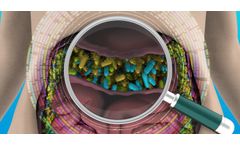
The large intestine is composed of intestinal epithelial cells (IECs), which form an intestinal barrier between the microbiota in the intestinal lumen and surrounding tissues. ...

Upon development of a biobank of these intestinal epithelial cells, researchers can easily investigate cellular responses from different regions of the intestine, as well as from multiple donors with different demographic backgrounds, resulting in a more robust readout. ...
Donor-Derived Primary Tissues To use a human-derived cell type to try to model inflammation, the current industry standard for intestinal research is the immortalized Caco-2 cell line, derived from a human colon tumor. Caco-2 cells have historically not been reproducible across research labs, generally represent a single differentiated ...