
Refine by
Livestock Articles & Analysis
21 articles found
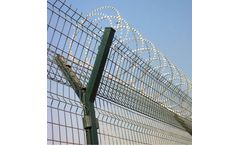
Farms and Ranches: Used to prevent livestock from escaping and to protect against wildlife intrusion, ensuring the safety of agricultural operations. ...

Animal Health: Lysozyme is also utilized as an antimicrobial agent in animal nutrition to support gut health and reduce the dependence on antibiotics in livestock farming. This application aligns with growing concerns about antibiotic resistance. ...
Agriculture: The agricultural sector benefits from α-Galactosidase's application in animal feed. By improving livestock digestion, it leads to healthier animals and, consequently, increased productivity. ...

The benefits of high grain production, no matter its tiny dimension and also powerful functions, can be refined to generate various pet feeds, such as pigs, sheep, livestock, rabbits, hens, ducks, geese, pigeons, aquatic fish feed, and so on. ...

The floating fish feed making equipments generated by Richi Equipment are functional and can be used in feed processing plants of different dimensions, as well as livestock ranches of various dimensions. The small feed pellet machine is constructed from stainless-steel, which can protect against deterioration or rust, thereby lengthening the life span of the feed ...

Bacteriocins can be added to animal feeds as anti-pathogen additives to protect livestock from pathogen damage. In medicine, bacteriocin has the potential to replace antibiotics as antibacterial drugs and is a new type of anticancer drug. ...

From the eradication of smallpox through to the global response to the COVID-19 pandemic, vaccines have been a cornerstone in the fight against infectious diseases in humans and livestock since the 18th century. Although vaccines against COVID-19 are unlikely to eradicate the disease in the way that the smallpox vaccine did, they have proved very effective in preventing death and ...

Animal rights activists such as Clean Meat Hoax play a part in the resistance, but those with the biggest stake (steak?) are livestock farmers, with collectives such as the European Livestock Voice determined to give consumers another perspective on the industry. ...

California is also home to several species of soft ticks, which mostly affect livestock and poultry. However, soft ticks can and do spread disease to humans – particularly Tick-Borne Relapsing Fever through the spread of a pathogen called B. hermsii. ...
ByIGeneX

As vaccine rollouts take place in many countries around the world, it feels like the globe will soon be able to take a collective sigh of relief that this pandemic could nearly be over. However, the reality may not be so simple. Leading scientists including the chair of the WHO’s strategic and technical advisory group for infectious hazards expect that SARS-CoV-2 will become endemic, ...

CWD (Chronic Wasting disease) is spreading in the United States. It is an infectious disease affecting deer and elk, leaving them ‘zombie like’, according to experts. CWD has already spread to 24 US states as of August 2019. The disease has been seen to affect animals such as reindeer, moose, elk and various deer species. It has been found in free-ranging deer and elk as well as ...

And food for thought: The Western diet — high in meat consumption and processed foods — harms both our health and the environment. Livestock production requires the largest fossil fuel inputs per gram of protein produced. ...
ByEnsia

By degrading the dung of livestock that graze on pastures, coprophilous arthropods accelerate the cycling of nutrients to maintain pasture quality. Many veterinary medicinal products, such as ivermectin, are excreted unchanged in the dung of treated livestock. These residues can be insecticidal and may reduce the function (i.e., dung‐degradation) of the ...

Introduction Due to dramatically increment of human population, many countries realized that food insufficiency will be a big issue during the next decade. To improve agriculture and livestock, they started producing genetically modified organisms (GMO) with high productivity of yield and a resistance to insects and pathogenic ...
However, information in domesticated livestock, companion animals, and captive and free‐ranging wildlife is incomplete. ...

Preventive measures taken by the Russian Government to anticipate and reduce the probability of BSE occurring in its livestock and to protect public health from vCJD are reviewed in this paper. ...

Growing cassava during the dry seasons in the IVS with residual moisture as a second crop after rice has the potential to generate extra income from sale of both root and foliage for humans and livestock. Twenty-one improved cassava genotypes and four popularly grown landraces were evaluated during the dry season in an inland valley slope at the International Institute of ...
The naturally occurring hormones, such as 17-β-estradiol, 17-{alpha}-estradiol, and estrone, present in livestock manure may have detrimental environmental effects if released into surface waters. ...
Composting is being increasingly employed for the recycling of nutrients in manure from the livestock industry. However, composting manure from animals fed antimicrobials has not been well characterized. ...
Avermectins are widely used to treat livestock for parasite infections. Ivermectin, which belongs to the group of avermectins, is particularly hazardous to the environment, especially to crustaceans and to soil-dwelling organisms. ...