
Refine by
Medical Infection Articles & Analysis
38 articles found
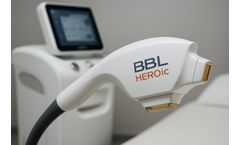
BBL HEROic may not be appropriate if you have: Very dark skin (provider will assess skin type); currently taking photosensitizing medications; active skin infections in the treatment area; pregnancy or nursing; expectations of instant results. ...

When hospitals evaluate a medical drainage bag, the conversation often begins and ends with per-unit price. But while upfront cost is an important factor, it rarely tells the full When hospitals evaluate a medical drainage bag, the conversation often begins and ends with per-unit price. But while upfront cost is an important factor, it rarely tells the full story. As healthcare systems face ...

Burns, whether from heat, chemicals, or sun exposure, are another frequent trigger. Additionally, certain medical conditions, such as infections like chickenpox or herpes, can also lead to blister formation. ...

l Antibacterial Properties To address infections associated with medical implants, HA is being doped with antibacterial agents like silver or zinc ions. ...
ByMatexcel

Welcome to 2023-2024 season’s respiratory surveillance recap, where we’ll share insights from the most recent respiratory surveillance season, covering three major respiratory viruses: COVID-19, influenza, and RSV. Tracking these illnesses is imperative for maintaining population health because these illnesses significantly impact individual wellbeing and healthcare costs, resource ...

The Centers for Disease Control and Prevention have identified these common types of medical device-associated HAIs: Catheter-associated urinary tract infections Central line-associated bloodstream infections Surgical site infection Ventilator-associated pneumonia Also, improperly sanitized medical ...

Monitor the wound's healing progress. If it shows signs of infection or worsening, seek medical attention promptly.Deep or long cuts: These may require wound care more than bandaging. ...

Cytokines in Cytokine Release Syndrome (CRS) CRS, a systemic inflammatory reaction stemming from diverse triggers such as infections, autoimmune inflammation, and medical causes, involves various cytokine classes including inflammatory effectors, initiators, modulators, chemokines, and colony-stimulating factors. ...

Sepsis is a severe bodily reaction to infection, which can cause fever, breathlessness, disorientation, tissue damage, and organ failure, among other symptoms. While bacterial infections are the primary culprits, any other infection such as from pneumonia or influenza may lead to sepsis if not appropriately treated. ...

Klebsiella pneumoniae is a significant causative agent of hospital- and community-acquired infections, presenting with various clinical manifestations. Notably, the rapid spread of carbapenem-resistant K. pneumoniae (CRKP) has become a global threat, leading to high morbidity and mortality rates. In this context, researchers have employed high-throughput sequencing to investigate drug resistance ...
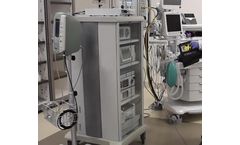
It is currently extremely dangerous for people who are already ill and reliant on medical equipment such as breathing tubes, catheters, and other invasive medical devices. ...

Rehabilitation of Anneleen, 26 years Sporty woman Hospitalisation after SARS-CoV-2 infection Cognitive difficulties (memory impairment) A few months ago, Anneleen ended up in hospital with a COVID infection. Due to her extreme and persistent shortness of breath, she stayed in the Respiratory Department for several weeks. During her stay in hospital, she fortunately did not have to be ...

When this happens, the employee must take tests and medications to try to prevent an infection as a result of the needle stick. ...

Preventing Flu in the First Place “After you and your family have lived through the flu once, it’s safe to say you’ll want to do anything you can to prevent future infection,” said Emergency Medical Physician and Engineer, Dr. Jae Pak. ...

Airsafe medical aerosol high-flow suction system protect patients and healthcare operators in each phase of Covid-19 pandemic. It is in everyday situations that aerosol suction systems prove to be fundamental to keep spread of infection under control. Daily situations like vaccination: central stage in the fight against pandemic. As a fact, healthcare operators ...
ByAirsafe

Again, poor oral hygiene is the biggest factor in these infections. Improper flossing will take an infection from one part of the mouth and inoculate a health part. ...

This guide is here to help you get real answers with real science. Why are yeast infections so complicated? A vaginal yeast infection, also known as vulvovaginal candidiasis (VVC) or vaginal thrush, is a very common fungal infection caused by an overgrowth of yeast. ...
ByJuno Bio

Although this technology has been useful for many years, one of its frequent failure modes in the clinic is that of bacterial colonization and infection.1-3 Following implantation and hemodialysis access, it has been reported that as many as 28% of synthetic vascular grafts,4 such as those constructed from expanded polytetrafluorethylene (ePTFE), will require revision or explant ...

Medical gloves are gloves used for medical protection to prevent cross infection between doctors and patients and protect doctors' hands from injury. ...

What is a Hospital Acquired Infection? A Hospital-Acquired Infection (HAI) (also know as a Healthcare-Associated Infection (HCAI) or nosocomial infection) is defined by WHO as ‘an infection acquired in hospital by a patient who was admitted for a reason other than that infection1‘. This includes infections acquired in the hospital but appearing after discharge, and also occupational ...