
Metabolic Reaction Articles & Analysis
11 articles found

Understanding the Role of Therapeutic Enzymes Enzymes are biological catalysts that regulate numerous metabolic reactions in the body. In many rare inherited disorders, particularly metabolic diseases, genetic mutations prevent the body from producing functional enzymes. ...

The TCA Cycle takes place in the mitochondria of eukaryotic cells and is named for its cycle of reactions that incorporate and release carbon in a continuous loop. It begins with the combination of acetyl-CoA, derived from various macronutrients, and oxaloacetate to form citric acid (citrate), which kicks off a series of metabolic transformations. ...
One essential approach to studying cellular metabolism is Metabolic Flux Analysis (MFA), a powerful tool that reveals the intracellular activities and metabolic dynamics of living systems. ...

Pharmacokinetics: The Journey of a Drug The pharmacokinetic profile of a drug describes its absorption, distribution, metabolism, and excretion (ADME) processes. These stages dictate how fast a drug acts, how long its effects last, and how it is eliminated from the body. ...
Cellular metabolism is the general term for the ordered series of chemical reactions that occur within cells to sustain life. ...
Furthermore, monitoring changes in bile acid profiles over time can serve as an indicator of disease progression or response to treatment, enabling timely intervention. Bile Acid Analysis as a Metabolic Barometer Metabolism, an intricate web of biochemical reactions, is influenced by numerous factors, including diet, genetics, and overall ...
Metabolism is the assembly of biochemical reactions in living organisms, the material basis for life maintenance of living organisms, and an important basis for the study of life activities. ...
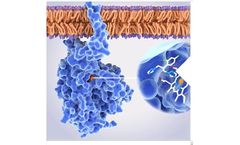
Purify blood Enzymes can break down waste in the blood, keep the blood weakly alkaline, and promote blood circulation. Amino acid metabolism in the human body will produce harmful substances such as amonia. ...
Among them, adipocyte hyperplasia can effectively avoid pathological adipose tissue remodeling, thus maintaining the normal metabolic function of adipose tissue and facilitating the body to maintain metabolic balance. ...

This problem has been addressed by metabolic engineering, which has extended endogenous insect cell N-glycosylation pathways and enabled glycoprotein sialylation by baculovirus/insect cell systems. ...

The diversity and distribution of a bacterial community from Coffee Pots Hot Spring, a thermal spring in Yellowstone National Park with a temperature range of 39.3 to 74.1°C and pH range of 5.75 to 6.91, were investigated by sequencing cloned PCR products and quantitative PCR (qPCR) of 16S rRNA and metabolic genes. The spring was inhabited by three Aquificae genera—Thermocrinis, ...