
Metabolism At Creative Enzymes Articles & Analysis
20 articles found

Understanding Plant Cell Viability Plant cells, like all living cells, undergo a complex cycle of growth, differentiation, and death. In plant biotechnology, tissue culture, and stress physiology studies, knowing whether cells are alive or dead is essential for interpreting experimental results. Plant cell viability refers to the proportion of living, metabolically active cells in a given ...

In the intricate world of cellular biology, proteins are the undisputed workhorses. They are assembled based on a genetic blueprint, but their story doesn't end there. After synthesis, proteins undergo a vast array of chemical modifications known as post-translational modifications (PTMs). These changes act as molecular switches, fine-tuning a protein's function, localization, and stability. ...

Understanding the metabolic stability of potential drug candidates is paramount in the realm of pharmaceutical development. S9 metabolic stability assays provide critical insights into how a compound behaves within biological systems, especially concerning its metabolism, stability, and overall pharmacokinetics. At the core of S9 metabolic stability is the S9 fraction, which is a liver extract ...
Introduction Cytochrome P450 (CYP) refers to a family of enzymes that play a fundamental role in the metabolism of various substances within the body, particularly drugs, toxins, and endogenous compounds. These enzymes are crucial for the detoxification processes in the liver and affect the pharmacokinetics of numerous medications. Understanding the function and importance of cytochrome P450 is ...
In the realm of pharmaceutical research and development, ADME testing services play a pivotal role in evaluating the pharmacokinetics of drug candidates. ADME stands for Absorption, Distribution, Metabolism, and Excretion, which are critical processes that determine the fate of a drug within the body. Effectively assessing these parameters is essential for ensuring the safety, efficacy, and ...

Invertase, also known as β-fructofuranosidase, is a crucial enzyme in the field of biochemistry and food science, primarily recognized for its ability to catalyze the hydrolysis of sucrose into glucose and fructose. This process, known as sucrose inversion, not only plays a vital role in various biological processes but also has significant applications in the food and beverage industry. ...
In the case of specific binding of an antibody to an antigen, other aspects such as binding affinity, receptor expression, receptor conversion kinetics, and antigen-mAb binding interaction will also affect the distribution. Metabolism and excretion Due to the extremely large molecular weight, antibodies cannot be excreted from the kidneys in prototype form, nor can they be ...

Sugar nucleotides are key molecules in the biosynthesis of glycans, which are carbohydrate chains found on the surface of cells or in the bloodstream. These molecules play a critical role in a wide range of biological processes, including cell signaling, protein folding, and immune responses. In this article, we will delve into the structure and synthesis of sugar nucleotides, and explore their ...
Lipids are the basic substances that make up biological membranes. Through lipid-lipid interactions and interactions between lipids and other biomolecules, a complex network of lipid metabolism is formed, which is involved in a large number of life activities. By studying lipid extracts, information about the lipidome can be obtained. Lipidomics studies lipids in organisms at a systematic level, ...

Diabetes is a common clinical disease, and with the improvement of living standards, an increase in the number of obese people, and the intensification of aging populations, the incidence of diabetes is increasing year by year. Diabetes has various types and requires long-term treatment. Antidiabetic drugs are essential for people with the disease. These drugs can be classified into insulin ...
Previously, it was thought that glial cells, which support neuronal activity, metabolize most of the glucose in the brain. However, by using induced pluripotent stem cells, the researchers found that neurons were able to take up glucose and process it into smaller metabolites. In mice, normal function of neurons depends on glycolysis. The findings could help develop new treatments for ...
Serum enzyme tests have been used in clinical practice for a long time, such as increased amylase activity in serum and urine of patients with acute pancreatitis. In the 1930s, some scholars reported that the determination of serum lipase and alkaline phosphatase activities is helpful for the diagnosis of pancreatitis and bone diseases, respectively. After the 1950s, the application of serum ...
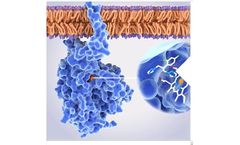
In the early 20th century, humans discovered vitamins, and then trace elements and minerals. It was only in the mid-1980s that humans realized the importance of enzymes. Nobel Prize in Physiology and Medicine Arthur Kornberg said: "For our lives, we can no longer find other substances as important as enzymes in nature." Enzymes control the entire body, and when enzymes function abnormally is ...
Overview of Cytochrome P450 Cytochrome P450 (CYP450), is a family of hemoglobin-coupled monooxygenases. In mammals, CYP450 oxidizes steroids, fatty acids, and xenobiotics, playing an important role in the metabolism of various compounds as well as in the synthesis and breakdown of hormones. In plants, they regulate the synthesis of defense compounds, fatty acids, and hormones. With the progress ...
Fatty acids, along with glucose and amino acids, are the main source of energy for cell growth and proliferation. Abnormalities in fatty acid metabolism are commonly seen in cancer. A growing number of studies have shown that increased ab initio synthesis of fatty acids in tumor cells is a prominent feature in the development of cancer. ...
Alcohol dehydrogenase is abundant in human and animal liver, plant and microbial cells. It is a zinc-containing metalloenzyme with broad substrate specificity. Alcohol dehydrogenase can use nicotinamide adenine dinucleotide (NAD) as a coenzyme to catalyze the reversible reaction between primary alcohols and aldehydes: CH3CH2OH+ NAD+→ CH3CHO +NADH+ H+. In humans and mammals, alcohol ...
Excess omega-6 fatty acids can interfere with the health benefits of omega-3 fatty acids because they compete for the same rate-limiting enzymes. An excessive omega-6:omega-3 ratio shifts the physiological state of tissues towards the pathogenesis of many diseases, such as blood clots, inflammation, etc. ...
Serum enzyme tests have been used in clinical practice for a long time, such as increased amylase activity in serum and urine of patients with acute pancreatitis. In the 1930s, some scholars reported that the determination of serum lipase and alkaline phosphatase activities is helpful for the diagnosis of pancreatitis and bone diseases, respectively. After the 1950s, the application of serum ...

Each year, the last day of February serves as a reminder to pause and reflect on the challenges and unique needs of patients and families living with rare diseases. It is an opportunity for all members of the patient, medical, and scientific communities to shine a light on the urgent need to improve the care and support for those impacted by such conditions. At Moderna, we are working to ...

Doctors, dieticians and health officials recommend a balanced diet that provides essential minerals for proper nutrition in the human body. The accurate analysis of metals in vitamin / mineral preparations and food supplements is very important. These metals can be classified into several groups – the major electrolytes (Na, K, Ca, Mg), crucial to normal primary physiological processes ...