
Refine by
Physiologic Testing System Articles & Analysis
5 articles found

Lipids are not merely structural components of cellular membranes—they also act as powerful signaling molecules that orchestrate key physiological processes. Among the enzymes regulating lipid signaling, ENPP2 (Ectonucleotide Pyrophosphatase/Phosphodiesterase 2), also known as autotaxin, plays a central role by converting lysophosphatidylcholine (LPC) into the bioactive lipid ...

Active Pharmaceutical Ingredients (APIs) form the foundation of modern pharmaceuticals, serving as the biologically active components responsible for the therapeutic effects of medications. These crucial compounds undergo rigorous research, development, and manufacturing processes before being integrated into final pharmaceutical formulations. The pharmaceutical landscape encompasses a diverse ...
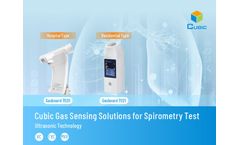
The cardiopulmonary system is recognized as one of the most essential physiological systems in the human body, with the responsibility of efficiently distributing blood and oxygen to every organ. The cardiopulmonary system is closely linked to human health. Therefore, pulmonary function testing is crucial for ...

Microbes are present almost everywhere. They play a vital role in cycling carbon, release important compounds, and may be associated with infectious diseases. Metagenomics is the culture-independent genomic research of microbial communities. Metagenomics presents a powerful tool to study prokaryotes and viruses in the environment via the analysis of their DNA obtained directly from environmental ...

Standard, commonly used animal models:* Experimental animals: mice, rats, rabbits, guinea pigs, dogs, pigs, sheep, non-human primates.* Inbred testing: provide consistency of potential targets, including molecules, cells, organs, and animals.* Distant strain testing: broad analysis of drug effects.* Ultimate goal: assess and quantify the safety and efficacy of ...