
Physiological System Articles & Analysis
10 articles found

ENPP2 Catalytic Features (Structured Summary) Feature Description Functional Implication Phosphodiesterase Domain Hydrolyzes LPC to LPA Generates bioactive lipid signals Somatomedin B-like Domains Bind integrins/ECM Localizes enzyme activity to specific microenvironments Substrate Specificity Preference for LPC acyl chain length Determines LPA species and downstream receptor activation ...

The pharmaceutical landscape encompasses a diverse range of API types, each targeting specific health conditions and physiological systems. Understanding these various categories provides valuable insights into the complexity and sophistication of contemporary medicine and highlights the continuous innovations driving healthcare advancement. ...
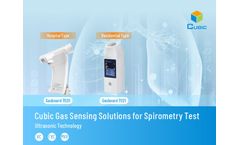
The cardiopulmonary system is recognized as one of the most essential physiological systems in the human body, with the responsibility of efficiently distributing blood and oxygen to every organ. The cardiopulmonary system is closely linked to human health. Therefore, pulmonary function testing is crucial for both disease ...

What is neuroplasticity? The ability of the nervous system to respond to external and internal stimulations and to change its activity based on these changes. By responding to these stimuli it is meant to reorganize its structure of individual centers and their functional interconnections. Physiologically, these plastic changes can be observed during the actual ...

The microbial communities inhabiting animals and plants profoundly affect host health, nutrition, physiology, and immune systems. DNA sequencing technologies allow us to identify microbiomes among and within hosts. ...
The microbial communities inhabiting animals and plants profoundly affect host health, nutrition, physiology, and immune systems. DNA sequencing technologies allow us to identify microbes among and within hosts. ...

The heart is a unique organ in many respects since its activity is mandatory to sustain life. The heart’s circulatory system and coronary flow regulation are highly adapted to the vital role of the heart in sustaining life and to everyday physiological challenges. Understanding coronary physiology is key for treating patients ...

.* Chimeric animal models: for basic biology and pharmacological research, with numerous genomically different physiological systems.* Parabiosis animal models: surgically linked animals that share a single physiological system for drug discovery, research, and development. ...

As such, Caco-2 many times fail to accurately recapitulate normal physiology of small intestinal biology. When combined, all the features of the RepliGut® system are likely going to much more closely replicate what takes place in the normal human being. ...

Systemic complications include cachexia, paraneoplastic syndromes, electrolyte abnormalities, metabolic alterations, and hematologic changes. ...