
Progressive Neurodegeneration Articles & Analysis
8 articles found

By focusing on specific molecules or genes that contribute to cancer progression, they reduce collateral damage to healthy tissues. Immunotherapy APIs stimulate the body's immune system to recognize and attack cancer cells, providing a more natural avenue for treatment. ...

Imagine a world where diseases like cancer, Alzheimer's, and Parkinson's could be diagnosed and treated at the molecular level, long before symptoms even appear. This is the promise of fluorescent biopolymers, a revolutionary new class of materials that could transform the field of biomedical research. What Are Fluorescent Biopolymers? At their core, biopolymers are simply long chains of ...
ByMatexcel

Introduction: Ox bile extract powder, derived from ox bile, is a natural product with a wide range of applications. It contains essential components such as bile acids, cholesterol, bilirubin, and fatty acids. Through meticulous preparation processes, it is transformed into a powdered form, enhancing its stability and convenience. Ox bile extract powder exhibits diverse applications in the fields ...

Today marks a historic day for all the scientists and researchers who have dedicated their lives to advancing our understanding of Alzheimer’s Disease over the last 20 years. For the more than 6 million individuals living with Alzheimer’s disease in the US, their families, and their caretakers, our team at Altoida celebrates the positive topline data reported on the CLARITY AD global ...

Alzheimer's disease (AD) is a progressive, irreversible neurodegenerative disease clinically manifested by cognitive impairment, behavioral abnormalities, and social deficits. It is predicted that by 2050, the number of people 65 and older with dementia in the United States could reach 13.8 million. In China, more than 15.07 million elderly people aged 60 or over suffer from dementia, of which ...
Alzheimer’s and Parkinson’s disease are both neurological diseases that cause progressive damage to the brain, resulting in a decline in neurocognitive function. While Parkinson’s disease is known for affecting movement and function and Alzheimer’s disease is known for affecting cognition, they are a bit more complex than that. Below, we provide an overview of ...
Parkinson’s disease is a progressive neurodegenerative disease that is most commonly known for affecting movement. It primarily impacts dopaminergic, or dopamine-producing, neurons in a specific area of the brain known as the substantia nigra. Typically, symptoms develop slowly over years and continue to worsen as the disease progresses. While the manifestation of symptoms tends to vary ...
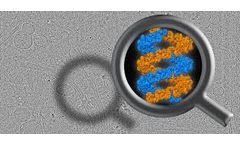
Australian researchers have recently solved a multi-year mystery about Parkinson's disease. They solved the structure of a key protein that is expected to rapidly treat this incurable disease. The findings appear in Nature. For the first time, the researchers took a "live" shot of a protein called PINK1. The findings explain how this protein is activated in cells, thereby initiating the ...