
Refine by
Sample Temperature Articles & Analysis
14 articles found

Differential Scanning Calorimetry (DSC)(1) PrincipleDSC is a technique that measures the amount of heat absorbed or released by a sample during heating or cooling. By comparing the heat flow difference between the sample and reference under temperature changes, the thermal properties of the sample can be obtained.(2) ...
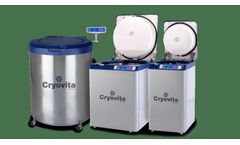
The cryogenic process is a method of freezing and storing samples that involves cooling the temperature of biological materials to stop normal cellular processes and prevent sample degradation for long-term storage. ...
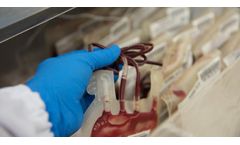
Blood storage and preservation is vital as soon as the blood is collected from a donor, blood must be stored at the right temperature in order to preserve its vital cells, proteins, and molecules. ...
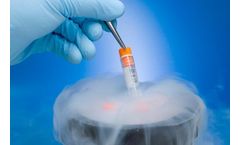
Such liquids include, liquid helium (-269°C), liquid hydrogen (-253°C) and liquid nitrogen (-196°C), which is the most widely used cryogenic liquid.There are two types of storage equipment that use liquid nitrogen (LN2) as the cryogenic liquid:Mechanical freezing – where a refrigeration system is used to cool samples. Cryogenic Storage tank – where the ...
Our ultra-low temperature freezers are used for the storage of drugs, vaccines, enzymes, chemicals, bacteria and other samples. ...

In the pediatric sample, Caregiver temperatures were higher than axillary by 0.25±0.75°F in all but infants where there was almost no difference (0.04±0.47°F). ...

Our ultra-low temperature freezers, also known as ULT freezers, typically have a temperature range of -45°C to -86°C and are used for the storage of drugs, enzymes, chemicals, bacteria and other samples. ...

Keeping biologicals at low temperatures is an established and effective way of maintaining their potency. This is critical for many types of medicines, vaccines, reagents, and biological samples, which is the reason why laboratories, hospitals, clinics, pharmacies, and more employ medical-grade refrigerators to protect their samples from ...
Maintaining the integrity of biomarkers during their processing and storage is therefore of critical importance to accurately diagnose and give prognosis of many different diseases, including cancers. To safely store samples for research or clinical use, freezing procedures are used to arrest the degradation of biomarkers used for the identification of these diseases. However, ...
Each of these factors influence all the others to a greater or lesser extent and none should be ignored. Storing cell samples in Ultra-Low Freezers Ultra-Low Freezers are medical cold chain solutions commonly used to store clinical and research samples at temperatures reaching down to -86°C for extended periods of time. ...
The simplest way to prevent this is to effectively freeze the plasma at the intended temperature. Recently, the ISBT working party has given the following temperature related guideline: the samples should be frozen as soon as possible at a minimum temperature of -20°C (preferably lower) and they should be stored frozen until ...

Project Scope Envirochem carried out the legionella risk assessment by taking Legionella and TVCs samples, as well as temperature measurements to have a better understanding of the water quality. ...
Project Scope Envirochem carried out the legionella risk assessment by taking Legionella and TVCs samples, as well as temperature measurements to have a better understanding of the water quality. ...

Pinnacle PCX post-column derivatization system allows analysts to combine eluant gradient capabilities of modern HPLC instruments with column temperature gradients. We introduce new accelerated Amino Acids Analy¬sis method for physiological samples that utilizes temperature and eluant ...