
Refine by
Skin Area Articles & Analysis
14 articles found
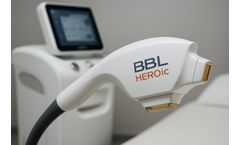
BBL HEROic may not be appropriate if you have: Very dark skin (provider will assess skin type); currently taking photosensitizing medications; active skin infections in the treatment area; pregnancy or nursing; expectations of instant results. ...

The skin wound closure strip is an adhesive medical tape used to close minor skin incisions.It is designed to bring together the skin on both sides of the wound to facilitate the healing process. ...

In psoriasis patients, the content of IL-17F in plaques is higher than that in unaffected skin areas. Studies show that IL-17F and IL-17A have a synergistic effect: unlike inhibiting IL-17A alone, inhibiting these two cytokines at the same time can significantly increase the down-regulation of inflammatory mediators in skin and joint fibroblasts. ...

Fitted with a scanner that allows the practitioner to measure the thickness of the hypodermis before and after treatment, CRISTAL Pro® allows the doctor to enter specific treatment settings for each treatment area. This dynamic, linear probe emits a central frequency of 7.5 MHz and can be used to visualise the different layers of the skin, including the ...
ByDELEO

Breitschwerdt and other researchers published that suggested the skin could be another area where Bartonella species persist in certain patient populations. ...

When trauma to the skin occurs, large areas of both the skin’s surface (epidermis) and deeper layers (dermis) may be destroyed. In many cases, large full-thickness wounds may require temporization due to the lack of suitable donor sites for primary skin grafting. Clinical research[1] indicates the temporization of deep, ...

Grape is an excellent starting point for learning how to structure skin is thinner, delicate areas of the body, like the face. Use a scalpel or pair of surgical scissors to make an incision in a grape, then gently insert a surgical thread and needle into one side of the cut and out on the other, and sew the incision back together. ...

The task requires the contactor to wear a chemical suit, gloves and an air fed ventilator and sealed mask etc. Once treated, the area must be sealed off completely for some time afterwards. The product used is safe on equipment such as printers, computers etc. as the mist is exceptionally fine but effective in penetrating all areas to kill off the virus. ...

Persons involved in an aseptic procedure must follow the principles to ensure equipment and areas are free from all microorganism to maintain sterility. Generally, surgical asepsis is applied during all invasive procedures when the skin is not intact or when internal areas of the body are being entered. ...

The same holds with taking dietary supplements. The four areas of supplementation consumers need fall into these categories: Antioxidant(s), Dietary Fibers, Essential Fatty Acids (EFAs) and Key Vitamins & Minerals. ...
ByAlgatech

With its capacity to break down areas of skin and tissue from prolonged periods of un-interrupted pressure on the skin — typical of patients confined to their beds and who experience little movement — pressure ulcers can quickly cause dying tissue that, in turn, can quite easily become infected. ...

Clinical history – necrosis of the skin following oedema Necrosis of the horse’s chest skin covering an area 36 cm long x 15 cm wide Infection of the necrotic tissue, complete destruction of the adipose tissue Application to the wound of a topical treatment based on Bionacre® After 15 days: closure of the lesion and hair ...

Populations living in the Southwest United States are more likely to be exposed to elevated drinking water arsenic levels compared to other areas of the country. Skin changes, including hyperpigmentation and generalized hyperkeratosis, are the most common signs of chronic arsenic ingestion from drinking water. The purpose of this study was to determine the ...
An approximately 0.5 ml dilution of CPF in ethanol was applied to an area of ~100 cm2 of the volar aspect of the forearm, resulting in doses of either 5 mg (A) or 15 mg (B) of CPF per study subject. ...