
Refine by
Stent Implantation Articles & Analysis
12 articles found

Marker bands serve a critical function in medical imaging and interventional procedures, offering Marker bands are essential for precise visualization during medical treatments. Designed for visibility under fluoroscopic imaging, these radiopaque bands, made from materials like platinum-iridium alloy, gold, and tantalum, play a critical role in healthcare applications. They enhance accuracy in ...
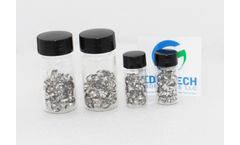
The medical industry is embracing a technological revolution, transforming the way healthcare providers deliver treatment. Among these advancements, wholesale radiopaque marker bands are critical in medical imaging and device guidance during procedures like stent placement, catheter navigation, and endovascular therapy. These marker bands ensure fluoroscopic visibility, enhance precision, and ...
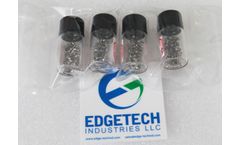
Why Tantalum Marker Bands Are the Gold Standard for Medical Implants Tantalum marker bands are widely recognized as the gold standard for a variety of reasons, particularly in the field of medical implants and devices. ...
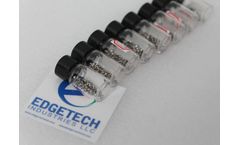
For decades, the medical field has seen incredible advances in technology – from new diagnostic capabilities to improved treatments that have saved countless lives. One of these impressive solutions is radiopaque markers – small devices used to diagnose and treat a variety of conditions, ranging from cardiovascular problems to cancer. Not only do they help doctors better understand ...

In the dynamic landscape of modern medicine, technological advancements continuously reshape diagnostic and therapeutic approaches, fostering innovation and improving patient outcomes. Within this realm, the adoption of fluorinated ethylene propylene (FEP) and perfluoroalkoxy (PFA) tubing has emerged as a game-changer, revolutionizing various medical procedures across diverse specialties. Let's ...

This is a retrospective study of 111 patients with moderately to severely calcified lesions (MSCLs). Drug-eluting stents were implanted after rotational atherectomy and the mean follow-up was 382 days. ...

Background This paper outlines the first in-patient implantation of the EluNIR™ ridaforolimus eluting elastomeric stent (Medinol Ltd.). This complex case involved a patient with a flow-limiting lesion in a native coronary artery post bypass surgery. The new EluNIR stent system includes a stent with a low metal footprint ...
ByMedinol
Background: This paper describes a challenging case of implantation of the EluNIR™ Ridaforolimus eluting elastomeric stent (Medinol Ltd.). This complex case involved a patient with a flow-limiting lesion in a native coronary artery post bypass surgery. The new EluNIR stent system includes a stent with a low metal ...
ByMedinol

The intervention in STEMI is completed with stent implantation and dual antiplatelet therapy that secures the patency of the relevant culprit epicardial coronary artery. ...

Incomplete stent expansion and malapposed stent struts are a predictor of subacute and late stent thrombosis. Appropriate lesion preparation prior to stent implantation is necessary to assure complete stent expansion and stent strut apposition. ...
Incomplete stent expansion and malapposed stent struts are a predictor of subacute and late stent thrombosis. Appropriate lesion preparation prior to stent implantation is necessary to assure complete stent expansion and stent strut apposition. ...

ABSTRACT Urethral strictures (US) can be recurrent chronic illnesses leading to severe side effects and poor quality of life. Several options to treat US exist, including repeated dilatations, stents, and open surgery. A urethral stent is a good, minimally invasive option but has major limitations, such as stent migration, mucosal growth, and incontinence, especially for bladder-neck strictures. ...