
Refine by
Therapeutic Proteins Articles & Analysis
21 articles found

Recombinant protein expression is a cornerstone of modern biopharmaceutical development, providing the means to produce proteins with therapeutic potential, enzymes, and antibodies. ...

Introduction PEGylation, the process of attaching polyethylene glycol (PEG) chains to therapeutic molecules, has become a cornerstone in pharmaceutical development. ...

Active Pharmaceutical Ingredients (APIs) form the foundation of modern pharmaceuticals, serving as the biologically active components responsible for the therapeutic effects of medications. These crucial compounds undergo rigorous research, development, and manufacturing processes before being integrated into final pharmaceutical formulations. ...
Knockin cell line generation represents a pivotal advancement in genetic engineering, providing vital tools for biological research and therapeutic development. This process involves the integration of specific DNA sequences into precise loci within the genome, allowing scientists to explore gene function, model diseases, and develop new treatments. ...
Recombinant protein drugs are protein-based therapeutic drugs which are produced by using DNA recombination technology or other biotechnological methods. These drugs include cytokines, peptide hormones, recombinant enzymes, monoclonal antibodies, and fusion proteins. Compared to traditional low-molecular-weight synthetic drugs, ...
HCP (Host Cell Proteins) residual detection is a key quality control step in the field of biopharmaceuticals, aiming at ensuring that the proteins of the host cells used for producing therapeutic proteins in any cell-based production system are maintained at acceptable low levels in the final drug product.ImportanceHCPs are ...
Recombinant protein drugs are therapeutic protein drugs produced using DNA recombination technology or other biotechnologies. Compared to traditional low molecular synthetic drugs, they have the advantages of strong specificity, low toxicity, and significant therapeutic effects. However, as biological macromolecular drugs, ...
Prolonging Drug Half-Life The process of PEGylation, which involves attaching PEG chains to therapeutic molecules, has been a game-changer in prolonging the half-life of drugs. Many biopharmaceuticals, such as peptides and proteins, are prone to rapid degradation and clearance from the systemic circulation. ...
These methods can increase the expression of coding and non-coding genes specifically and controllably, reducing development and manufacturing costs and thus expanding the range of treatable diseases. Based on the demonstrated therapeutic potential and significant unmet medical needs, NBT is poised for rapid advancement in the future.Biological Upregulation of ...
Key Applications of Biopharma PEG's Azide PEG Series: ADCs and PROTACs: The Azide PEG series plays a pivotal role in the development of ADCs, connecting antibodies with cytotoxic drugs, and in PROTACs, facilitating the degradation of specific proteins for innovative therapeutic approaches. Drug Delivery: Biopharma PEG's Azide PEGs enhance drug solubility, ...

Current Technology Improvements in Protein Engineering Several key technological advancements are driving the rapid progress in protein engineering: Protein Structure Prediction: The ability to accurately predict protein structures has revolutionized protein engineering, enabling researchers to rationally ...
The plasmid carries the gene coding for the protein of interest, and the cell's machinery copies this gene and uses it as a blueprint to manufacture the protein. ...
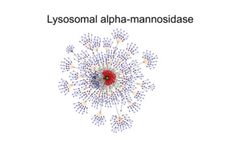
The interaction between HCPs and therapeutic proteins is first removed by anionic surfactants, so that HCPs can be enriched using a molecular weight cut-off (MWCO) ultrafiltration step, and then identified by a "shotgun" quantitative proteomics technique and analysis of HCP in therapeutic protein drugs. ...
PEG hydrogels have been widely used for cell encapsulation and therapeutic protein delivery due to their tissue-like water content, adjustable physicochemical properties and resistance to nonspecific protein adsorption. ...

Produced using bioreactors, biopharmaceuticals include vaccines, therapeutic proteins, blood and blood components, and tissues.4 Due to their absence of chemicals, biopharmaceuticals have seen a surge in demand and acceptance in recent years.4Could Bioreactors Provide a Cure for ...

Scientists continuously face pressure to purify biologics like protein therapeutics with maximum yield while minimizing cost and developing processes as quickly as possible. ...
Since the 1970s, PEG has been used to modify therapeutic proteins and peptides in order to increase their solubility, reduce their toxicity, and prolong their cyclic half-lives. ...

Liposomes vary in size, composition and charge and can be used as carriers for a wide range of drug molecules, such as chemotherapeutic agents, antimicrobial and antiviral drugs, antiparasitic drugs, genetic material, vaccines, therapeutic proteins, and anti-inflammatory agents. Liposomal formulations have unique advantages in both safety and efficacy, so they ...
Oxford Global kicked off another exciting discussion group all about RNA therapeutics and emerging technologies for their delivery. Those attending were experts from the leading authorities in the field. ...

AlphaFold AI System can change the world While 2020 was a difficult time across many metrics, it was an exciting year for protein science! AlphaFold gained international acclaim for advancing protein structure prediction after blowing the competition out of the water at CASP in both the 2018 and 2020 competitions (1). The AlphaFold system uses AI to decipher an unknown protein structure by ...